
Published · Updated
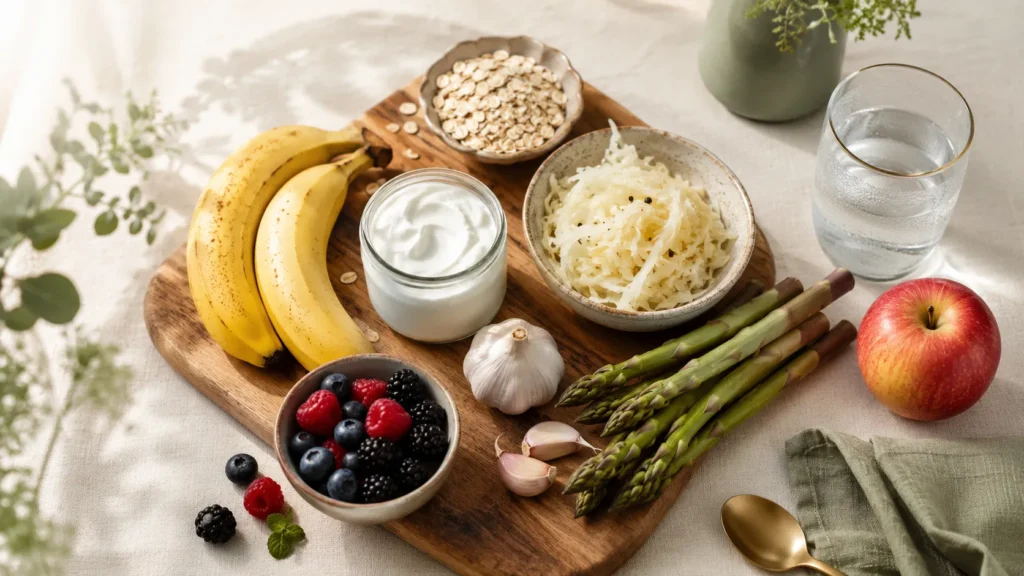
If you want to know how to improve gut health naturally, focus on a few daily habits: eat more fiber-rich whole foods, add fermented foods, cut back on processed food and added sugar, drink mostly water, manage stress and sleep, and consider a quality probiotic. Small habits repeated over weeks may matter more than any single fix.
Let’s break it down. Your gut is more than the place your lunch goes to disappear. It is home to trillions of tiny bacteria that help you digest food, absorb nutrients, and go about your day feeling like yourself.
When those bacteria are happy and balanced, a lot of other things tend to feel better too. When they are out of whack, your stomach lets you know about it.
If you have been feeling bloated, sluggish after meals, or just off, your gut might be asking for a little attention. The good news is you do not need anything fancy to start. You just need a few simple habits you can actually keep.
I am not a doctor, and I am not here to sell you a miracle. I am here as the guy who did the research so you do not have to. Let me walk you through what actually helped me, in plain English.
Start With Food, Not a Shopping Cart Full of Pills
I know it is tempting to reach for a supplement first. But the honest truth is that your gut responds to what you eat every single day. That is the foundation. Everything else is support.
When I started digging into how processed food affects the body, it changed everything for me.
Reading the research on processed food was the turning point. Once I understood what all that packaged stuff was doing, eating clean stopped feeling like a diet and started feeling like self-respect.
So the first step to improve gut health naturally is simple. Eat more real food and less of the stuff that comes in a crinkly bag with a mile-long ingredient list.
Whole foods feed the good bacteria. Processed foods, sugar, and artificial junk tend to feed the kind you do not want running the show.
You do not have to overhaul your whole kitchen in one day. Swap one processed snack for a real one. Add one vegetable to your plate. Small wins add up fast.
Why Does Fiber Matter for Your Gut?
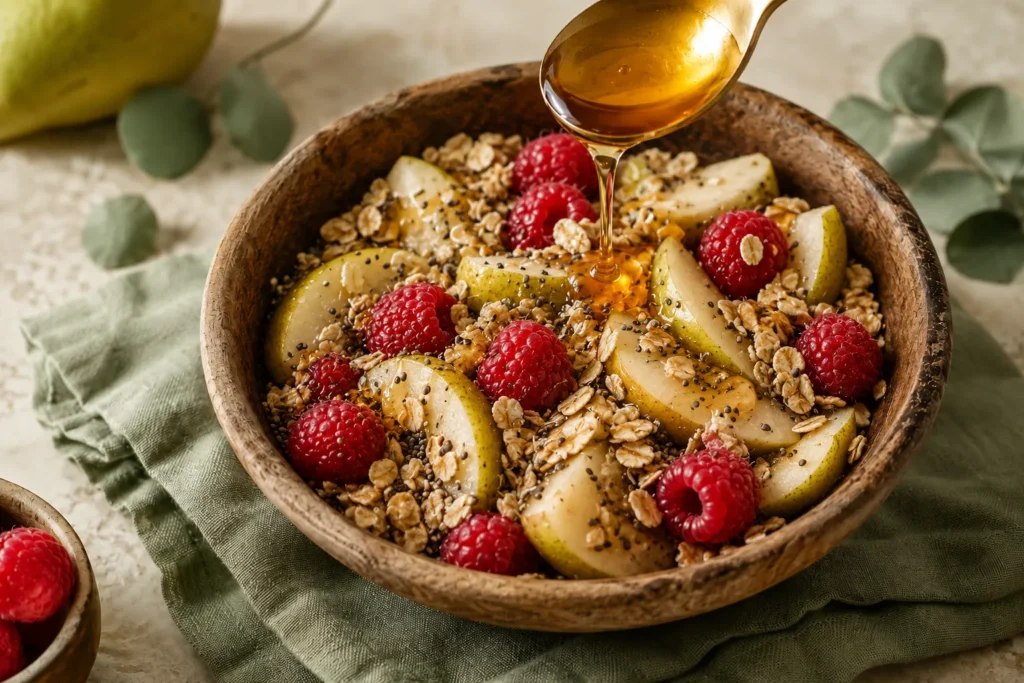
If there is one nutrient your gut bacteria love, it is fiber. Fiber is the food your good bacteria eat, and most of us do not get nearly enough of it.
Think vegetables, fruit, beans, lentils, oats, nuts, and seeds. These give your gut the raw material it needs to do its job.
When your gut bacteria break down fiber, they make helpful compounds that support the lining of your gut. In plain English, fiber keeps the whole system running smoother.
Here is a tip if you are just starting. Add fiber slowly and drink plenty of water. If you go from almost none to a mountain of beans overnight, your stomach will protest. Ease into it.
For me, once I found foods I actually enjoyed, this got easy.
I finally landed on food I actually love. Steak, eggs, fresh veggies, cottage cheese, and pickles. Nothing sad about it. When you enjoy what is on your plate, eating well stops being a chore.
Cut the Stuff That Works Against You
You cannot out-supplement a bad diet. Sugar, alcohol, and a steady stream of processed food can throw your gut balance off.
One habit that made a real difference for me was cleaning up what I drink.
My rule became simple. Only water, herbal tea, and coffee. Cutting the sugary and zero-cal drinks actually gave me more flexibility with my food, and my whole system felt calmer for it.
You do not have to be perfect. I am not. But every time you skip the soda and reach for water, your gut says thank you.
Do Sleep, Stress, and Movement Affect Your Gut?
Your gut is not just about food. It is connected to the rest of your life more than most people realize.
Poor sleep and constant stress can mess with your digestion and throw your bacteria off balance. I feel it myself when I run too hot for too long.
Moving your body helps too. You do not need a gym membership. A daily walk counts. Working in the garden counts.
I grow cucumbers, tomatoes, and herbs out on our land. Between the gardening, the yard work, and the swimming, the land keeps me moving without me ever calling it exercise. It is hard to eat junk when you grew the good stuff yourself.
Where Do Probiotics and Sea Moss Fit In?
Once your food is on track, this is where a little support can help. Probiotics are live good bacteria you add to your system to help keep things balanced.
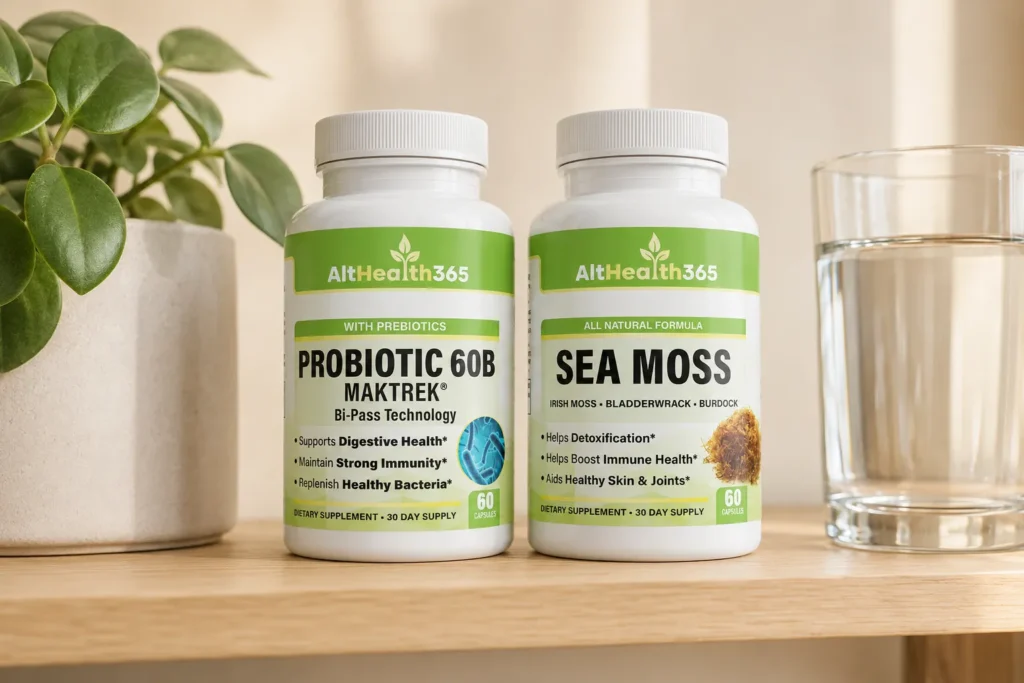
A quality probiotic may help support a healthy gut when you pair it with good eating habits. Our Probiotic 60B with MAKTREK is built to actually make it past your stomach acid and reach your gut, which is where it counts. You can read more on the Probiotic 60B product page.
Sea moss is another favorite of mine because it is mineral-rich and gentle. This week we are launching the Gut Reset Duo, our Sea Moss plus Probiotic bundle, for $46.99. It pairs both together for daily gut support. Take a look at the Gut Reset Duo product page.
If you want to browse everything in one place, our full gut lineup lives in the Gut Health collection.
And if you are brand new to supplements and not sure where to begin, grab my free walkthrough, the Supplement Starter Guide. It lays out the simple stuff first.
What the Research Actually Says
I only share what the science supports, and I keep it honest. Here is what credible sources say about gut health.
Fiber may support a healthier gut microbiome. Research shows dietary fiber feeds gut bacteria that produce beneficial short-chain fatty acids linked to gut health (source: NIH National Library of Medicine, PMC9787832).
Probiotics may help support digestive balance for some people, though results vary by strain and person. The National Institutes of Health notes that effects are specific to the strain and dose, and more research is still needed (source: NIH Office of Dietary Supplements, Probiotics Fact Sheet).
Different fibers may support the production of short-chain fatty acids in the gut, but the amount and type of fiber matters (source: NIH National Library of Medicine, systematic review PMC9268559).
The honest takeaway is that food and fiber do the heavy lifting, and probiotics may offer extra support. Nothing here is a cure. It is about giving your body what it needs to do its own good work.
Your Simple Starting Plan
You do not need to do all of this at once. Pick one or two and build from there.
Eat more real, whole food. Add fiber slowly with plenty of water. Cut back on sugar and processed junk. Drink mostly water. Move your body every day. Then add a quality probiotic to support the rest.
That is how to improve gut health naturally, one steady habit at a time. Start now. Do not wait for the perfect moment, because it never shows up.
These statements have not been evaluated by the FDA. This product is not intended to diagnose, treat, cure, or prevent any disease.
Frequently Asked Questions
How long does it take to improve gut health naturally?
Most people need a few weeks of steady habits before they notice a difference. Your gut shifts gradually, not overnight, so give any change two to four weeks before you judge it. Consistency matters more than speed.
How much fiber do I need for gut health?
Most adults fall short of the general daily fiber target, so aim to work in more vegetables, fruit, beans, and whole grains over time. Add it slowly and drink plenty of water so your stomach can adjust comfortably.
Can I take a probiotic every day?
Many people take a quality probiotic daily as part of a routine. A probiotic may help support digestive balance when you pair it with good eating habits. If you have a health condition or take medication, check with your doctor first.
Are fermented foods better than probiotic supplements?
They work in different ways and can complement each other. Fermented foods like yogurt, kefir, and sauerkraut add variety, while a supplement gives you a consistent dose on busy days. Many people simply use both.
Is it safe to change my diet to support my gut?
For most healthy people, eating more whole foods and less processed food is a gentle, sensible change. If you have a digestive condition or ongoing symptoms, talk to your doctor before making big changes.
If this helped you, share it with someone who needs it, or shoot me a message and let’s talk!
