
Published
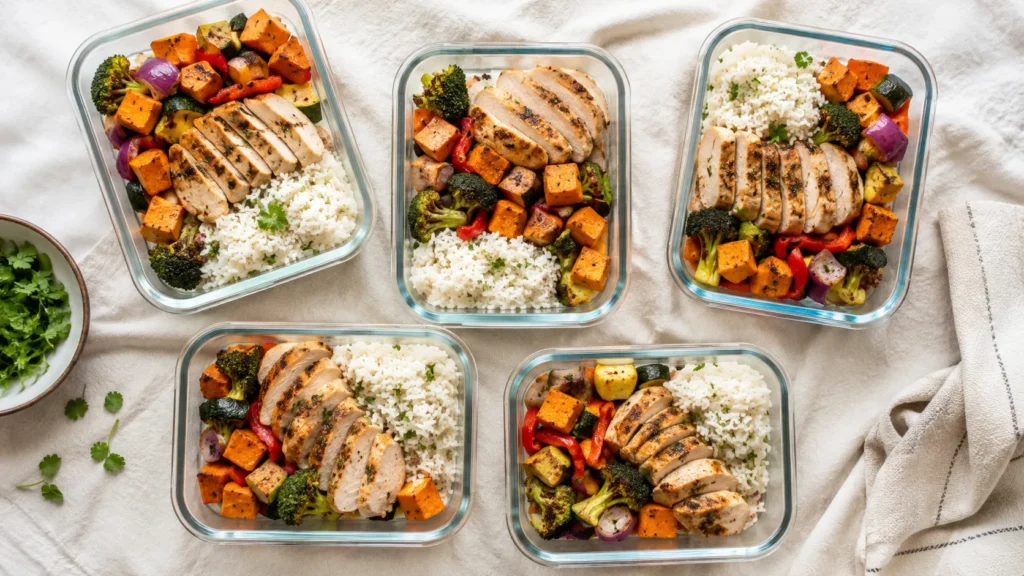
These meal prep basics for beginners skip the color-coded containers and the Sunday ritual. Here’s the low-effort version of meal prep that actually stuck for me, and it might work for you too.
Why Traditional Meal Prep Never Worked for Me
Growing my own cucumbers, tomatoes, and herbs changed the way I look at food entirely. It’s hard to eat junk when your fridge is full of what you grew with your own hands. But the elaborate, seven-container, cook-everything-Sunday style of meal prep never stuck for me. It felt like a second job.
What actually worked was smaller and lazier, and it’s held up for years. These are the real meal prep basics for beginners I’d hand a friend who’s overwhelmed by the Pinterest version.
Basic 1: Prep Ingredients, Not Finished Meals
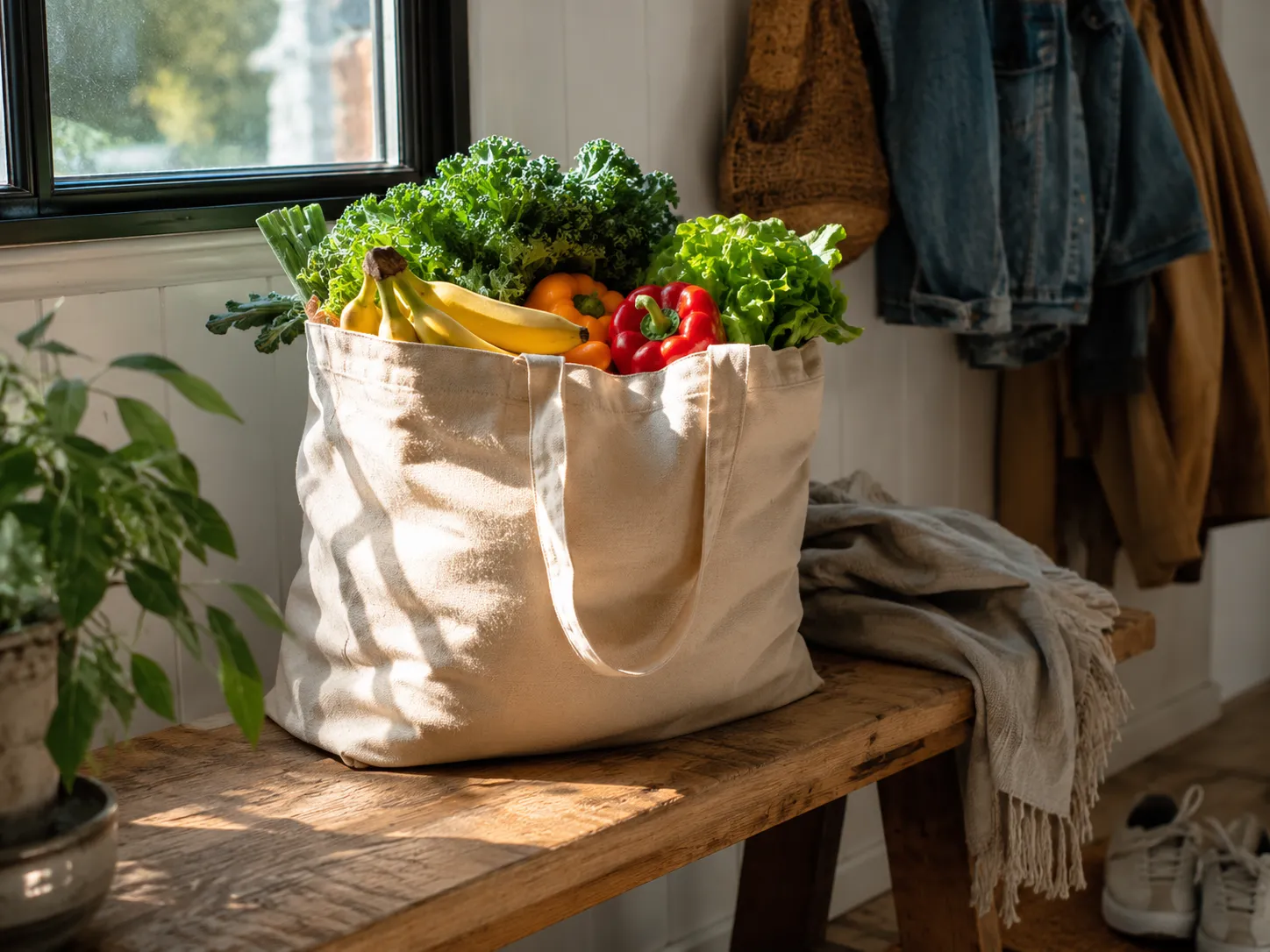
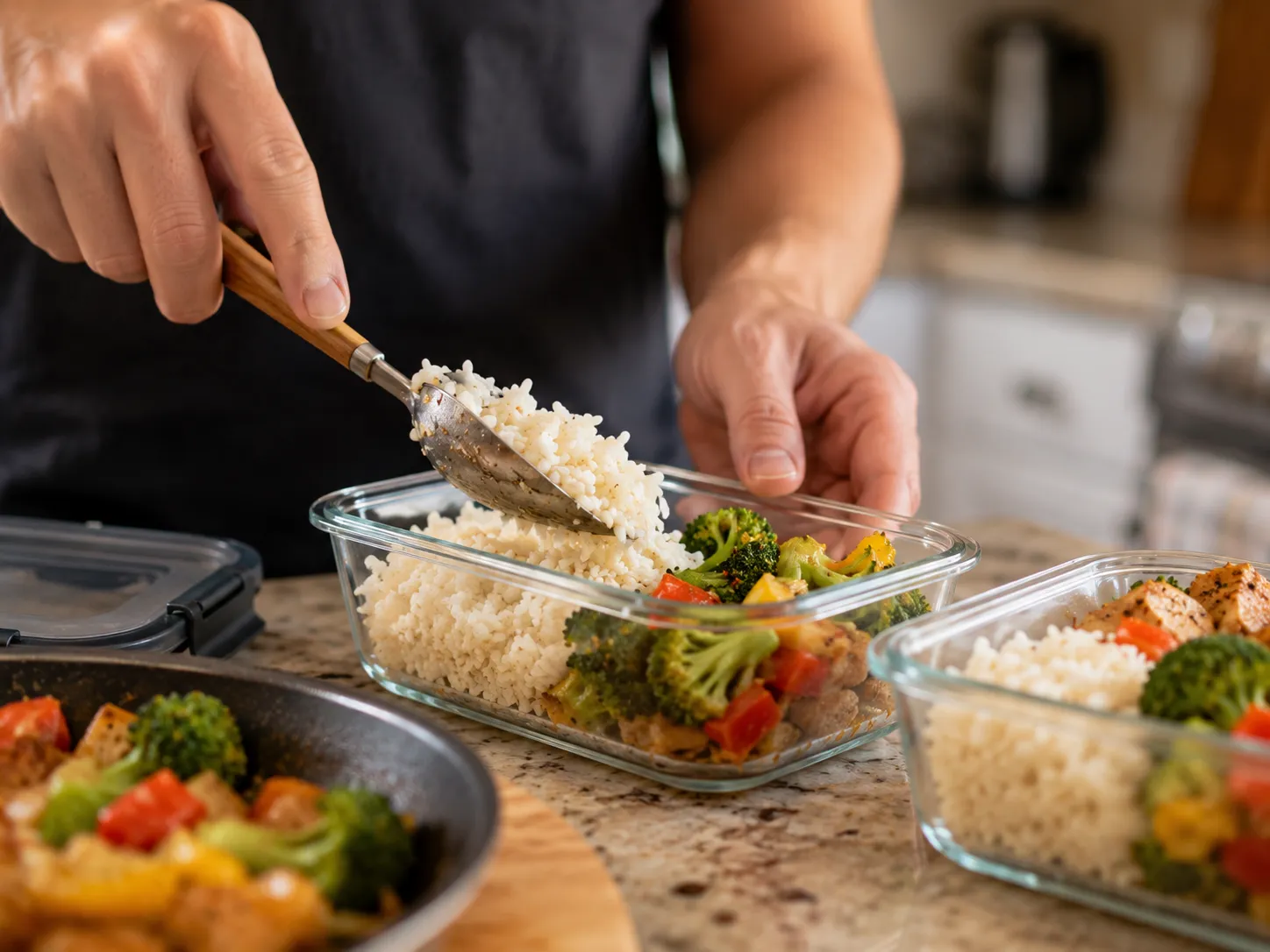
Instead of cooking seven identical meals on Sunday, I prep components: a big batch of grilled protein, washed and cut vegetables, cooked grains if I’m eating them. Then I mix and match through the week instead of eating the exact same bowl five days straight, well within the FDA guidance on safe refrigerator storage times for prepped food.
Basic 2: Give Yourself Permission to Repeat, Not Perfect
People ask if I ever cheat. Sure. A pizza night here and there, or something with potatoes. The trick was treating it as a pause, not a pattern. Enjoy the moment, then go right back to whole food the next day.
Meal prep doesn’t need to be flawless to work, it just needs to be consistent enough that the default choice is the easy, healthy one.
Basic 3: Keep a Short List of “No-Think” Meals
Pick 4 or 5 meals you actually like, that are quick to throw together from prepped ingredients, and rotate them. You don’t need 20 recipes. You need 5 you’ll actually make. This is the meal prep basics for beginners rule that saves the most decision-making energy.
Basic 4: Prep the Snacks, Not Just the Meals
A lot of “I didn’t have time to eat well” moments come down to snacking, not meals. Having cut vegetables, hard-boiled eggs, or portioned nuts ready to grab removes the decision entirely when you’re hungry and short on time.
Basic 5: Let the Season Simplify Things
In the summer, my meals lean heavily on whatever’s fresh from the garden. In the winter, when I’m buying instead of growing, I keep it simpler: meat, eggs, and a lot fewer moving pieces. Letting the season set the plan removes a layer of decision-making either way. If you want more of this kind of low-effort, real-food thinking, our Food and Nutrition section has the rest of what I’ve learned along the way.
Frequently Asked Questions
Do I need special containers to meal prep?
No. Any containers you already own work fine. The system matters more than the gear.
How much time does this actually take?
Prepping components instead of full meals usually takes 30 to 45 minutes, not a half-day production.
What if I don’t like eating the same thing all week?
That’s the point of prepping components instead of finished meals, you can combine them differently each day.
Is it okay to eat out or order in sometimes?
Yes. Treat it as a pause, not a pattern, and get back to your normal routine the next meal.
These statements have not been evaluated by the FDA. This product is not intended to diagnose, treat, cure, or prevent any disease.
If this helped you, share it with someone who needs it, or shoot me a message and let’s talk!
