
Published
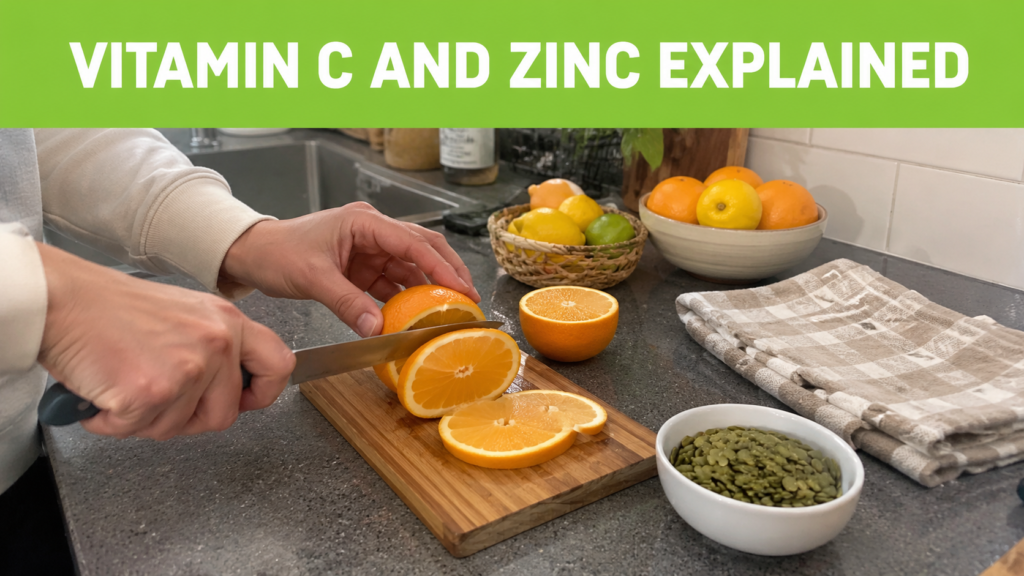
Vitamin C and zinc are paired together in almost every immune supplement on the shelf because they support your immune system in two different ways at once: vitamin C helps protect immune cells and supports their normal function, while zinc plays a direct role in how those cells develop and communicate. Here’s what that actually means and how much you need to bother with.
What Is the Vitamin C and Zinc Combo Actually For?
Let’s break it down without the science-class version. Vitamin C is an antioxidant, meaning it helps protect your cells (including immune cells) from the everyday wear and tear your body deals with. Zinc works more like a building block. Your immune system uses it to make and activate the cells that respond when something’s trying to get past your defenses. Neither one is a magic bullet on its own. Together they cover more ground.
Why Are These Two Always Paired Together?
Because they do different jobs and neither one replaces the other. I think of it like this: vitamin C is playing defense, zinc is more on the front lines doing the actual work. You want both. That’s why you’ll see them together in Quick Guard Immune Defense and in most immune-support formulas worth taking seriously, along with elderberry rounding things out.
How Much Do You Actually Need?
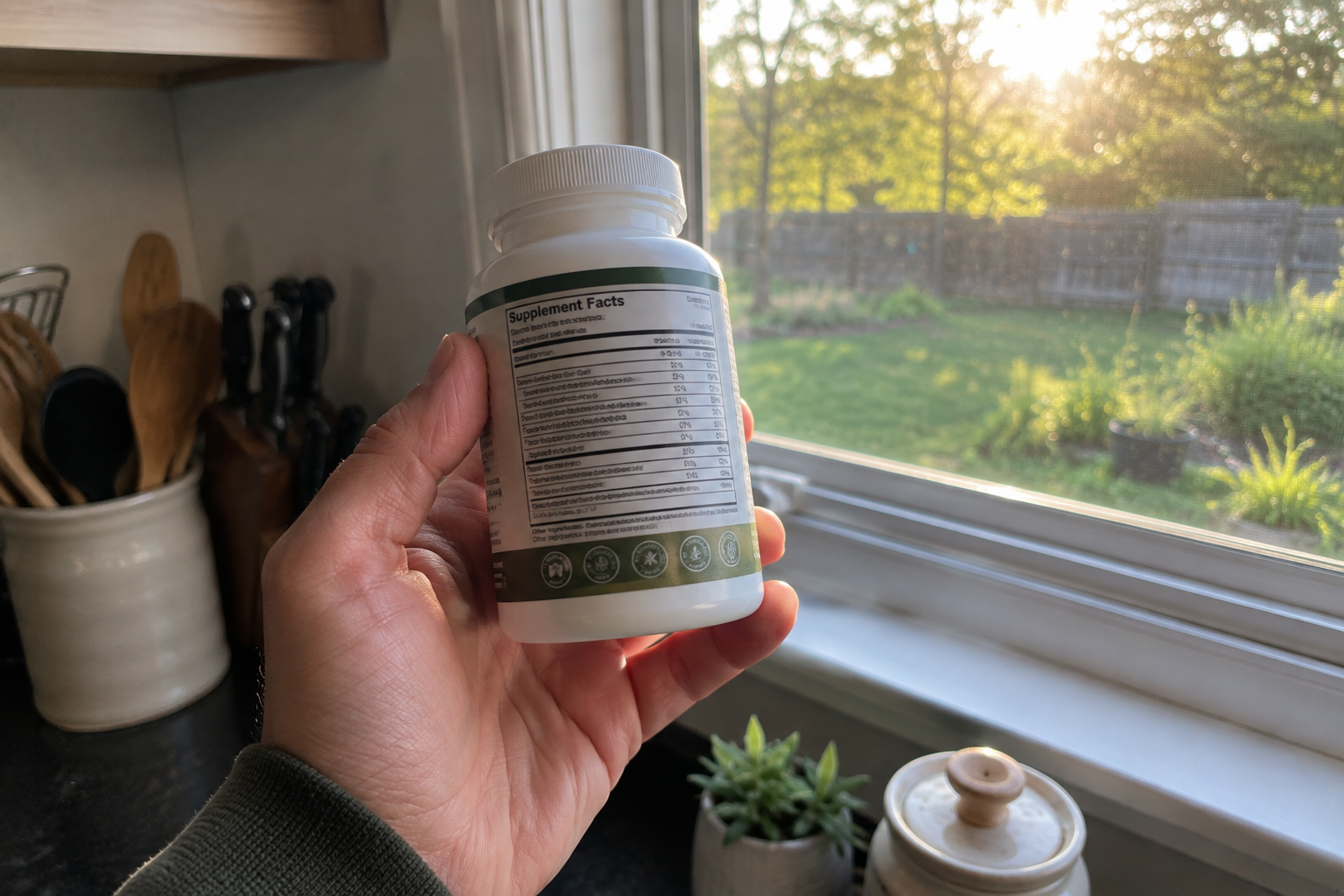
More than most people think, but you don’t need to go overboard either. The typical adult range for vitamin C runs from about 65 to 90 milligrams a day, with an upper limit around 2,000 milligrams before you’re just making expensive urine. Zinc is trickier since too much can actually work against you (high doses over time can interfere with copper absorption), so most people do fine in the 8 to 11 milligram range unless a doctor says otherwise. Check the label. Real milligram strengths matter more than a fancy blend name.
Research Box
Finding: Multiple studies suggest that adequate vitamin C and zinc intake supports normal immune cell function and may help support a healthy immune response during periods of increased demand.
Limitation: The research is early and mixed on whether taking extra of either nutrient once you’re already getting enough from food makes a measurable difference. Most of the strongest evidence is about correcting an actual deficiency, not stacking on top of a normal diet.
Takeaway: If your diet is already solid, think of these as insurance, not a fix. If you’re not eating much produce, they matter more.
I’ll be straight with you: most supplements, you can’t feel working. Vitamin C, vitamin D, things working on the inside. I take them anyway, because the research backs them up, but I won’t pretend I feel a difference every morning. The short list I can actually feel? Turmeric and magnesium are on it. That’s why they’re the ones I never let run low. When somebody tells you every product in their store changed their life, hold on to your wallet.
That’s the honest version of vitamin C and zinc. You’re probably not going to feel a jolt from either one. You’re playing a longer game, and that’s fine. Most of the stuff that actually matters for your health works quietly in the background.

Product Spotlight: Quick Guard Immune Defense
Quick Guard is the one I keep in my own cabinet this time of year. It’s built around vitamin C, zinc, and elderberry, the same combo covered in this post, dosed at real strengths instead of a proprietary blend that hides the amounts. It’s designed to support a healthy immune response, not replace good sleep and real food.
These statements have not been evaluated by the Food and Drug Administration. This product is not intended to diagnose, treat, cure, or prevent any disease.
FAQs
Can I get enough vitamin C and zinc from food alone?
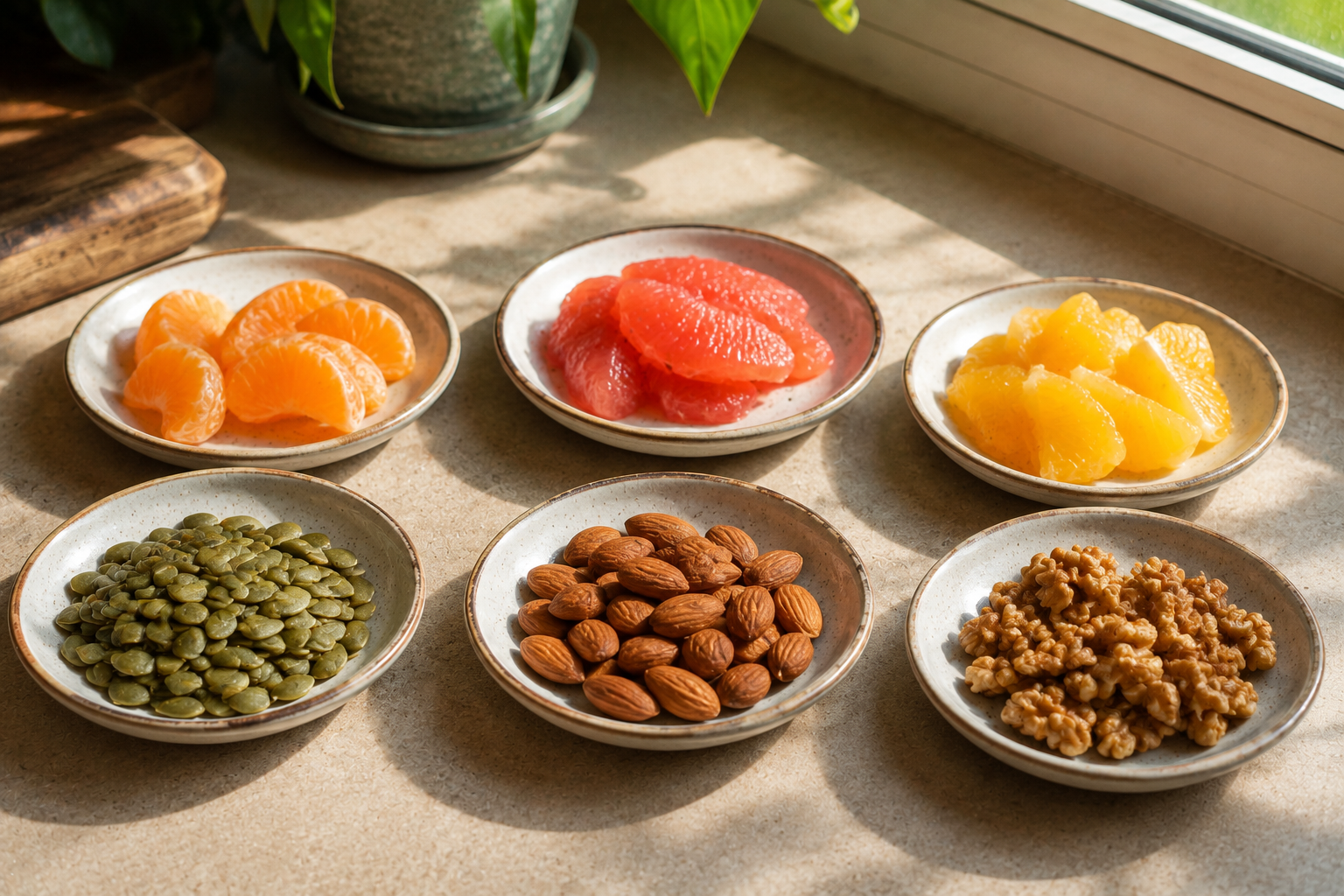
For a lot of people, yes. Citrus, peppers, and leafy greens cover vitamin C pretty easily. Zinc is trickier since it’s mostly in meat, shellfish, and seeds, so if your diet is light on those, a supplement can help fill the gap.
Is more always better with vitamin C and zinc?
No. Vitamin C past a certain point just gets flushed out. Zinc past a certain point, taken for a long stretch, can actually cause problems with copper absorption. Stick to real, reasonable doses.
Should I take vitamin C and zinc every day or just when I feel something coming on?
Consistency matters more than timing it to a sniffle. Your immune system works better with steady support over weeks, not a last-minute flood the day you feel off.
Can I take vitamin C and zinc with other supplements?
Generally yes, they’re two of the more straightforward ones. Talk to your doctor first if you’re on medications, especially anything affecting mineral absorption.
Final Thoughts
Vitamin C and zinc aren’t flashy. They’re not going to give you an energy jolt or a dramatic before-and-after story. What they are is a reasonable, well-studied foundation, and foundations are underrated. Get the basics right before you go chasing anything more complicated. If you’re building your fall routine now, start with getting your immune system ready for fall.
If this helped you, share it with someone who needs it – or shoot me a message and let’s talk!
