
Published
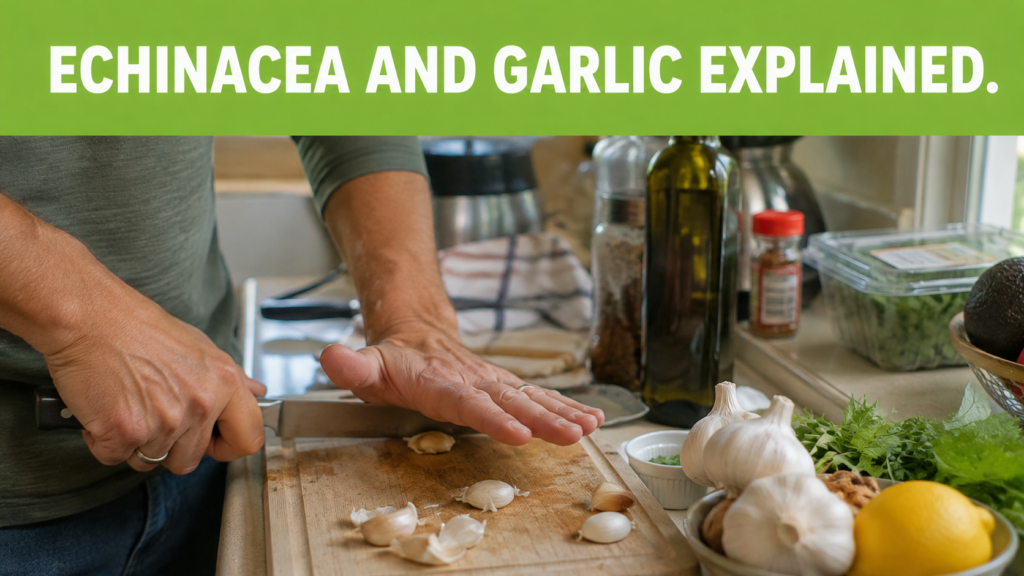
Echinacea and garlic were supporting people’s immune systems long before “immune support” was a category on a supplement shelf, and the research on both, while mixed, still points to real reasons people keep reaching for them every fall. Here’s what each one actually does and where I think they fit.
Let’s Break It Down
There’s a lot of newer stuff getting attention these days, and some of it’s worth the hype. But echinacea and garlic earned their reputation the old-fashioned way: generations of people using them, long before anybody ran a clinical trial. That doesn’t automatically make something work. It just means it’s worth actually looking into instead of dismissing it as old wives’ tale territory.
What Does Echinacea Actually Do?
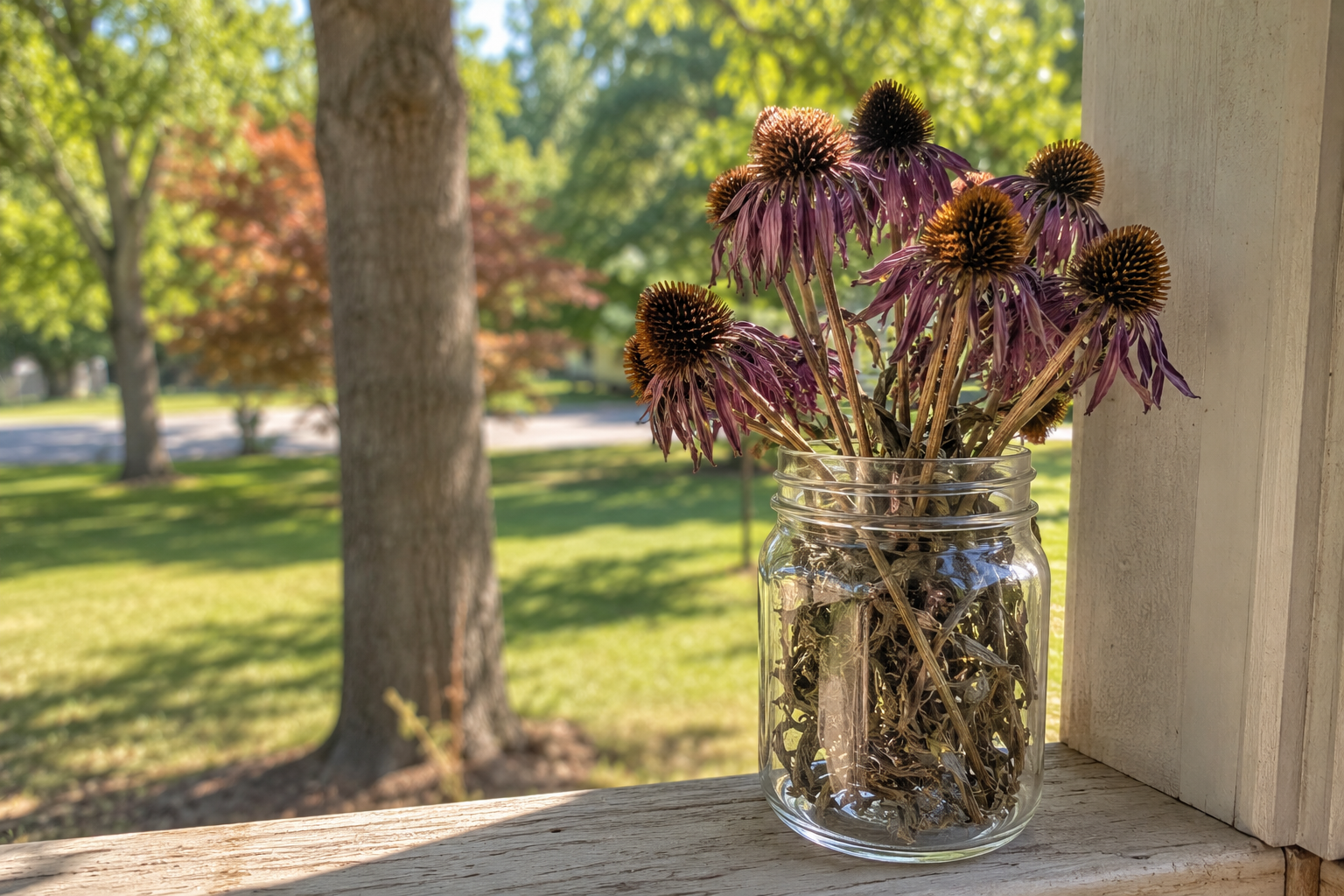
Echinacea is an herb, usually from the purple coneflower plant, that’s traditionally been used to support the immune system, especially around the start of a cold. Some research suggests it may help support a healthy immune response and may help support the body during the early days of a common cold, though the studies are mixed and the effect, where it shows up, tends to be modest rather than dramatic. It’s not a cure. Nobody serious claims it is. It’s one more tool, and honestly, the research quality varies a lot depending on which part of the plant and what preparation was actually studied.
What About Garlic?
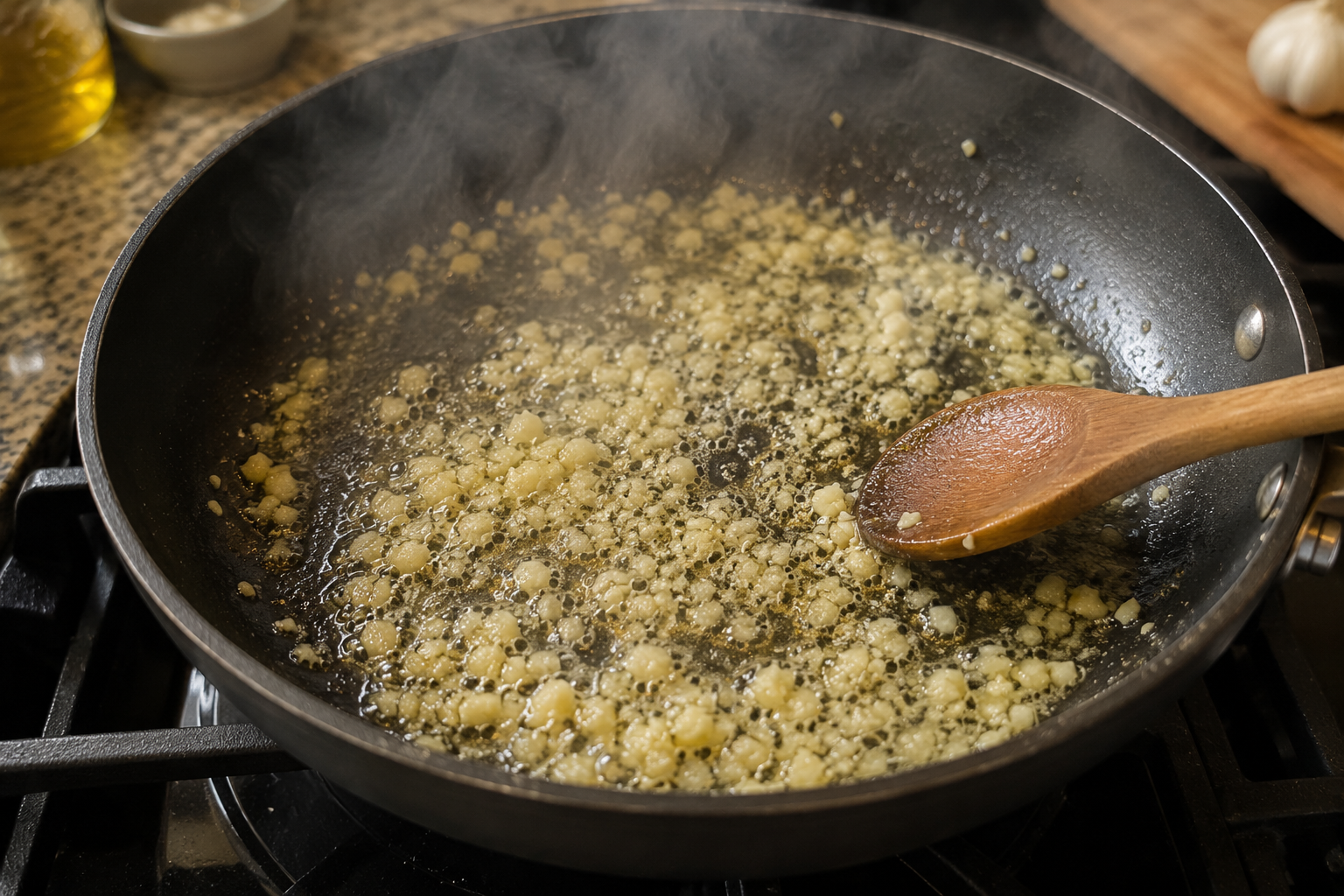
Garlic’s case is a little different. Beyond the immune angle, there’s decent research on garlic supporting healthy cardiovascular function, and the immune piece ties back to compounds like allicin that form when garlic is crushed or chopped. Traditionally used to support overall wellness, cooking with real garlic (not the shaker jar kind that’s lost most of its punch) is one of the easiest wins in the kitchen. If you want it in supplement form, look for one that’s been standardized so you know what you’re actually getting, since garlic supplements vary a lot in quality.
Research Box
Finding: Some studies suggest echinacea may help support a healthy immune response and modestly shorten the length of common cold symptoms in certain preparations. Garlic has more consistent research behind cardiovascular support, with immune-related findings still developing.
Limitation: Study quality and results vary widely depending on the specific echinacea species, preparation, and dose used, which makes it hard to say “echinacea works” as a blanket statement. Same caution applies to garlic supplements versus the real thing in your kitchen.
Takeaway: Both are reasonable additions if you’re already doing the basics (sleep, real food, the fundamentals), not a replacement for them.
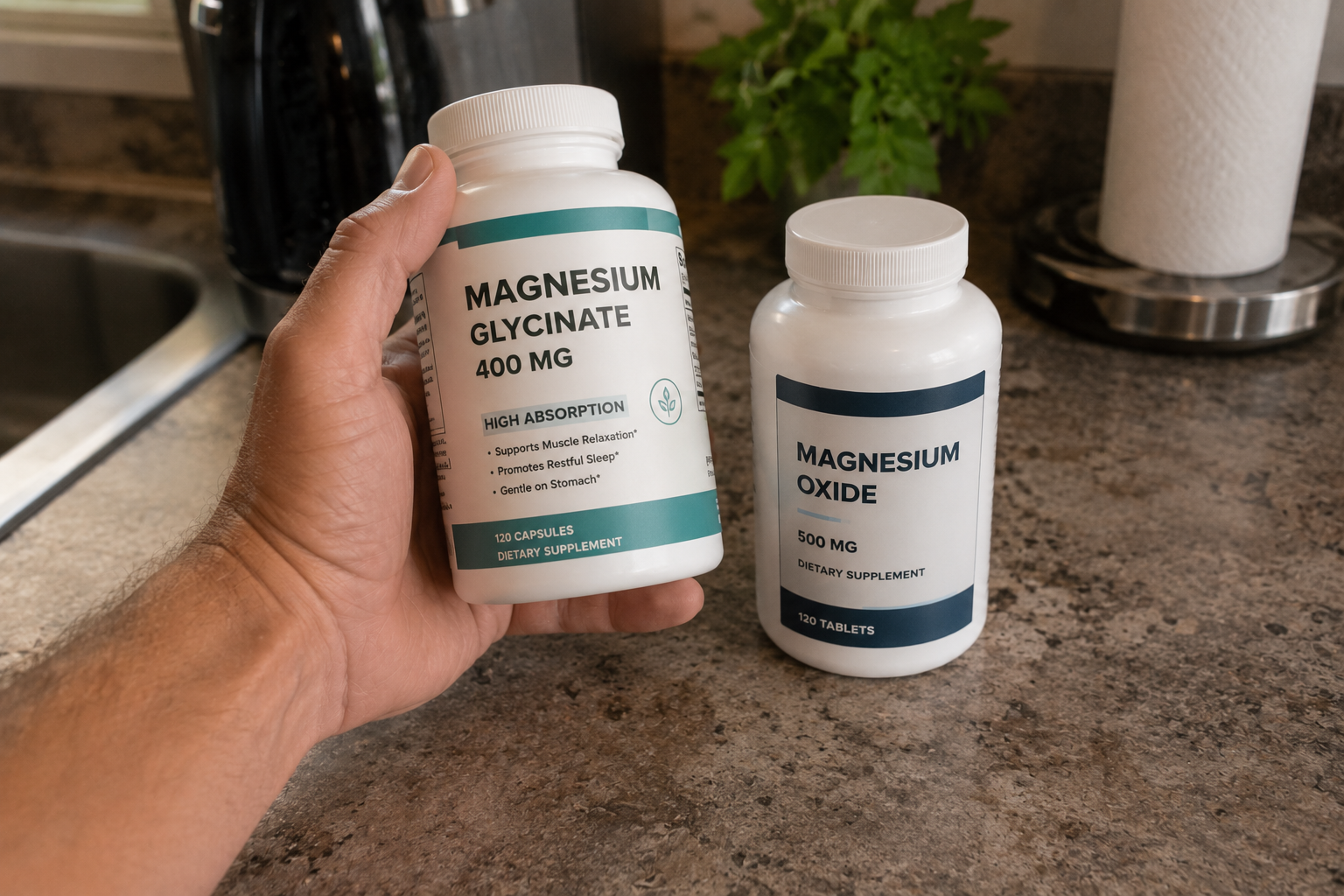
People ask what makes our products different. Honestly? Sometimes it’s what I refused to sell. I’ve turned down products because they used the cheap form of an ingredient instead of the better one, like cyanocobalamin instead of methylcobalamin for B12, or weak forms of magnesium, or doses too low to matter. If I wouldn’t take it myself, we don’t sell it. That’s the whole quality policy.
That’s exactly the mindset I bring to something like echinacea and garlic. I don’t currently carry a standalone echinacea or garlic product, and I’d rather tell you that straight than stretch a product description to cover something it isn’t. What I do keep in rotation is Quick Guard Immune Defense, built around vitamin C, zinc, and elderberry instead, a combo with more consistent research behind it. If echinacea or garlic are already part of your routine, there’s no conflict there. Just be picky about where you buy them, same as with anything else.
These statements have not been evaluated by the Food and Drug Administration. This product is not intended to diagnose, treat, cure, or prevent any disease.
FAQs
Is echinacea actually proven to work?
The research is mixed. Some studies show a modest benefit for cold symptom length, others show little to no effect. It depends heavily on the specific preparation used in the study.
Can I just cook with more garlic instead of taking a supplement?
Yes, and honestly that’s probably the more enjoyable route. Fresh garlic, crushed or chopped and given a few minutes before cooking, keeps more of the beneficial compounds intact.
Are echinacea and garlic safe to take together?
Generally yes for most people, but check with your doctor first, especially if you’re on blood thinners or other medications, since garlic in particular can interact with some.
Do you sell echinacea or garlic supplements?
Not currently. I keep Quick Guard Immune Defense in my own lineup instead, built around vitamin C, zinc, and elderberry. I’d rather point you to good information than stretch what I actually sell to fit every ingredient people ask about.
Final Thoughts
Old-school doesn’t mean outdated. Echinacea and garlic have stuck around this long because enough people noticed something real, even if the clinical picture is still filling in. Use them as one more piece of the puzzle, not the whole plan. The rest of that puzzle starts with getting your immune system ready before cold season.
If this helped you, share it with someone who needs it.
