
Published · Updated
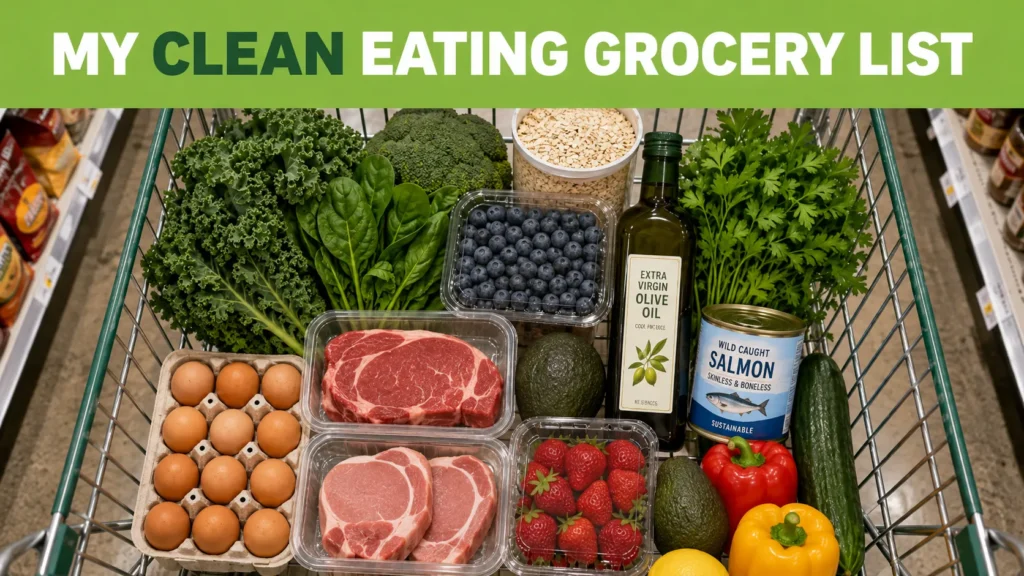
A clean eating grocery list only works if it survives contact with a real grocery store, a real budget, and a real Tuesday night when you are tired. This is my actual list, the one I shopped from while losing 77 pounds and still shop from today: proteins, produce, pantry staples, and the handful of swaps that quietly did the most work. The printable version is free below.
What Does Clean Eating Actually Mean Here?
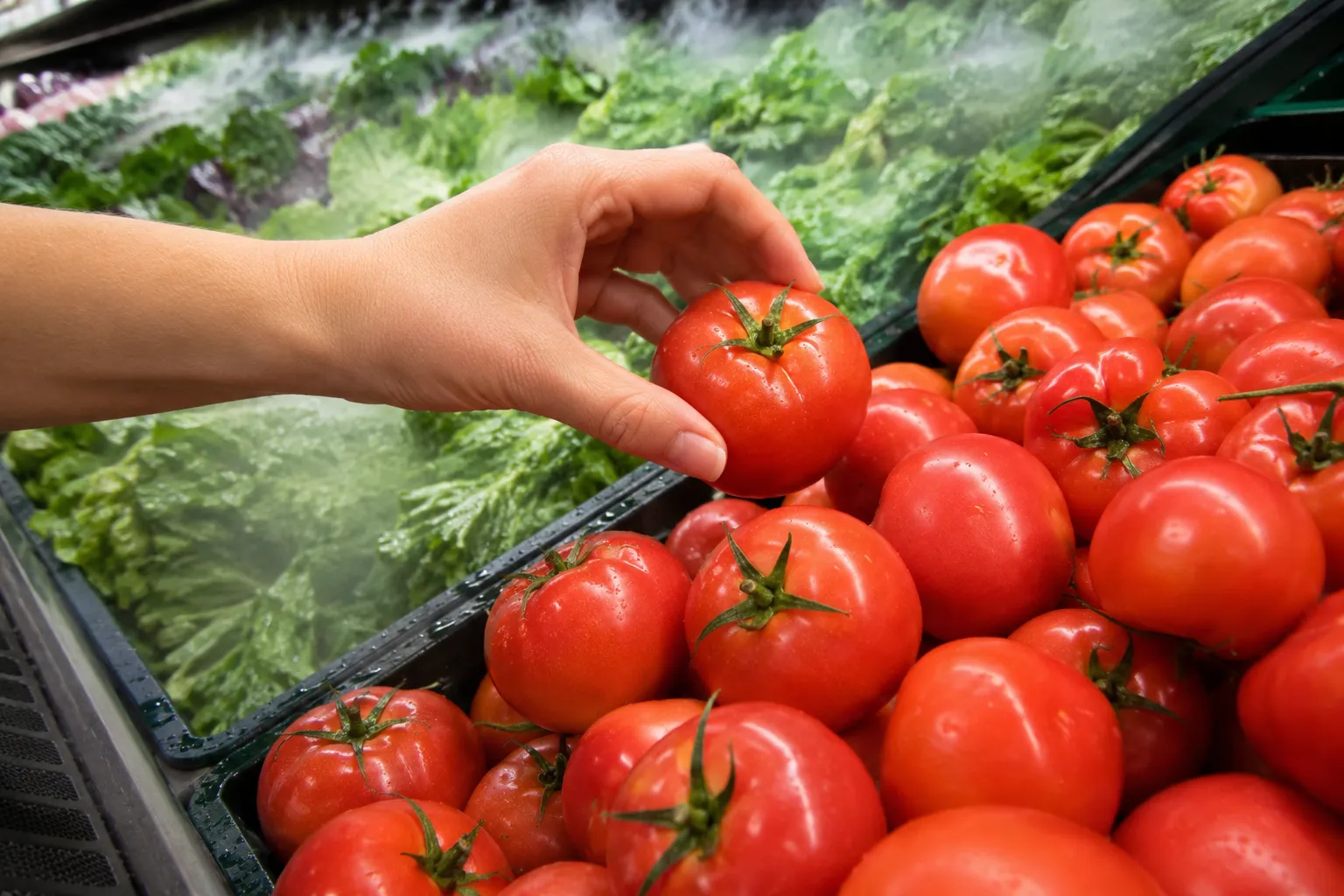
My working definition is simple: food that looks like what it started as. A steak looks like beef. An apple looks like an apple. A neon orange cracker does not look like anything found in nature, so it stays on the shelf.
I do not treat clean eating as a religion, and I am suspicious of anyone who does. It is a direction, not a purity test. My cart aims for mostly whole ingredients, and the closer I stayed to that direction, the easier the weight came off and stayed off.
What Proteins Are Always in My Cart?
Protein is the anchor of the list because it is the anchor of every meal that keeps me full.
- Eggs, always two dozen minimum. The most flexible food in the store.
- Steak when it is on sale, ground beef when it is not.
- Chicken thighs over breasts most weeks. More flavor, harder to ruin, usually cheaper.
- Canned tuna and salmon for lunches that take ninety seconds to assemble.
- Plain Greek yogurt, which does dessert duty more often than I expected.
What Produce Actually Gets Eaten Instead of Thrown Out?
The produce section is where good intentions go to rot, so I buy for the week I actually live, not the week I imagine.
- Bagged salad greens, because friction kills salads and pre-washed wins.
- Frozen vegetables with zero shame. Frozen broccoli steams in four minutes and never goes bad on my watch.
- Onions, peppers, and garlic, the flavor base of half my dinners.
- Apples and bananas for grab-and-go. Berries when they are in season here in Tennessee.
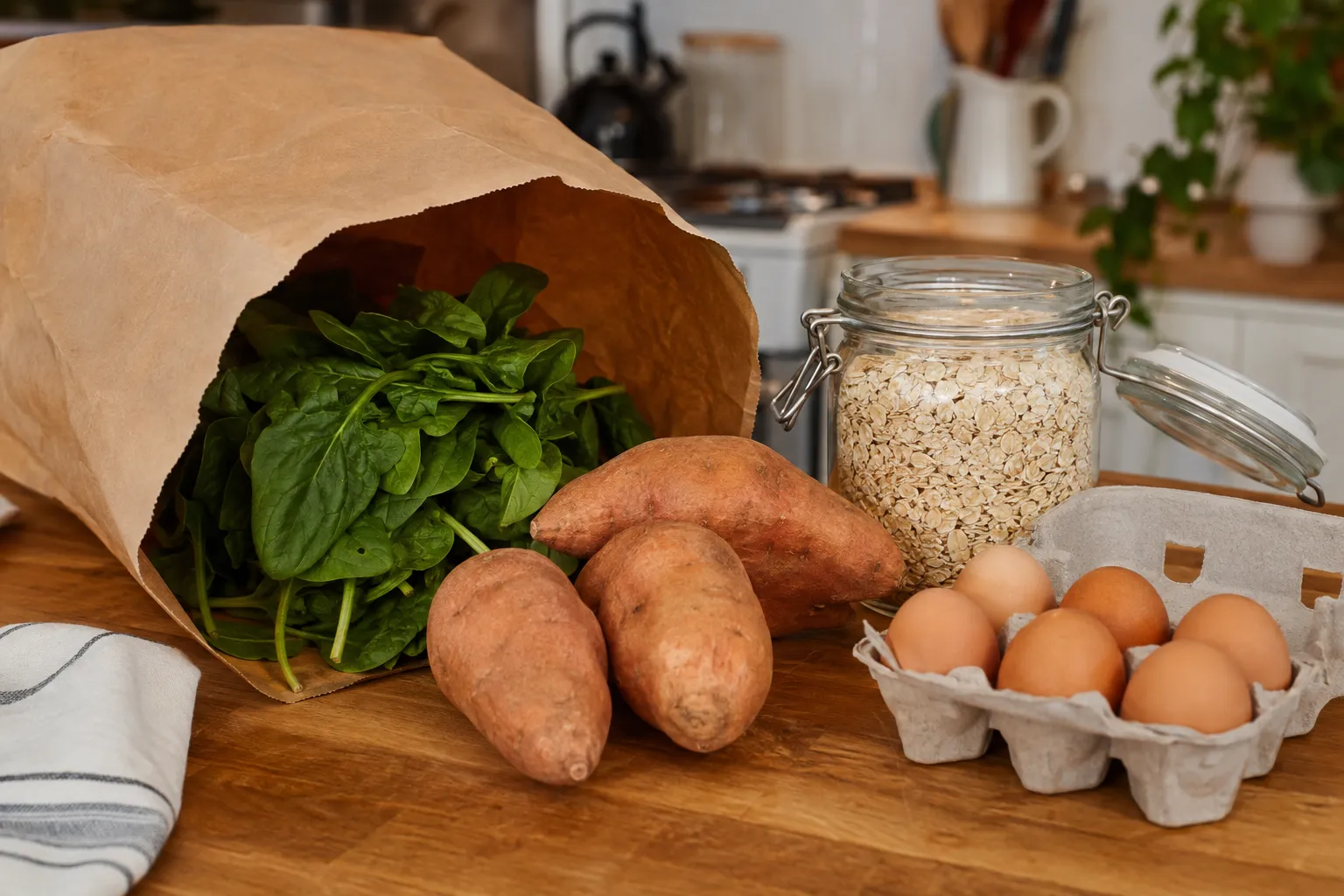
- Potatoes and sweet potatoes. Yes, potatoes. Real food, deeply filling, never the villain they were made out to be.
And pickles. Always pickles. Salty, crunchy, nearly zero calories, and they killed more late-night chip cravings for me than willpower ever did.
Which Pantry Staples Make Clean Eating Sustainable?
- Rice and oats, the boring backbone.
- Olive oil for most cooking. Check your labels here, by the way. Some bottles marketed as olive oil blends are mostly other oils. The ingredient list tells the truth even when the front of the bottle stretches it.
- Canned beans and tomatoes for fast chili nights.
- Spices, because clean food that tastes like cardboard becomes takeout by Thursday.
- Zero-calorie drinks and sparkling water, the swap that quietly removed hundreds of liquid calories a day from my life.
Want the exact printable version of this list? Grab “The Clean Eating Grocery List I Used to Lose 77 Pounds” free below and take it straight to the store this week.
What Got Removed From My Cart (and What Replaced It)?
The removals mattered as much as the additions. Soda went first, replaced by zero-calorie versions and then mostly by sparkling water. Chips got replaced by pickles and nuts. Frozen dinners became frozen vegetables plus whatever protein was already thawed. Sugary cereal became eggs, and breakfast stopped being dessert.
None of it happened in one dramatic cart overhaul. I swapped one category per week. Eight weeks in, the cart was unrecognizable and nothing felt like a sacrifice.
Frequently Asked Questions
Is clean eating expensive?
Mine got cheaper, not pricier. Whole ingredients cost less per meal than packaged food and takeout ever did. Eggs, rice, beans, frozen vegetables, and chicken thighs are some of the cheapest calories in the store.
Do I have to buy organic to eat clean?
No. Organic is a preference, not a requirement. Regular produce eaten beats organic produce planned. Start with whole food at whatever price point works, upgrade later if you want to.
How do I stick to the list in the store?
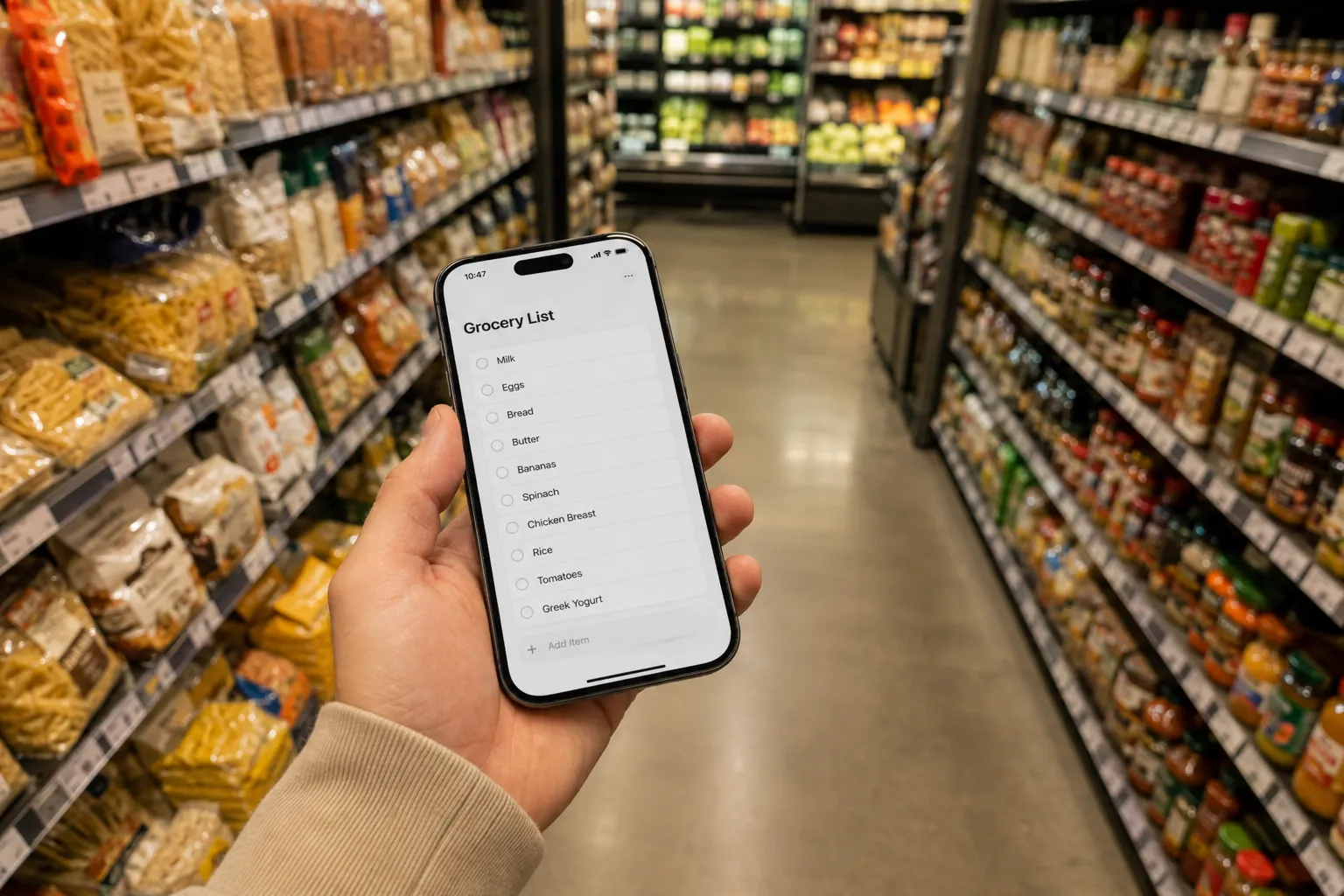
Eat before you shop, shop the perimeter first, and treat the list like a script. The list decides in your kitchen so the marketing does not decide in the aisle.
What if my family will not eat this way?
Mine did not overnight either. I changed my plate first and kept the pantry stocked both ways for a while. Results are quietly persuasive.
Final Thoughts
A grocery list sounds like a small thing to hang 77 pounds on, but every meal that helped me lose the weight started in a cart. Get the cart right and the kitchen mostly takes care of itself. Get the kitchen right and the scale eventually follows.
Download the free printable version and put it to work this week.
Got something like this going on too? Shoot me a message, I’d love to hear it.
These statements have not been evaluated by the FDA. This product is not intended to diagnose, treat, cure, or prevent any disease.
