
Published · Updated
This post contains affiliate links, including Amazon and eBay links. If you buy through them, I may earn a small commission at no extra cost to you, and it never changes what I recommend.
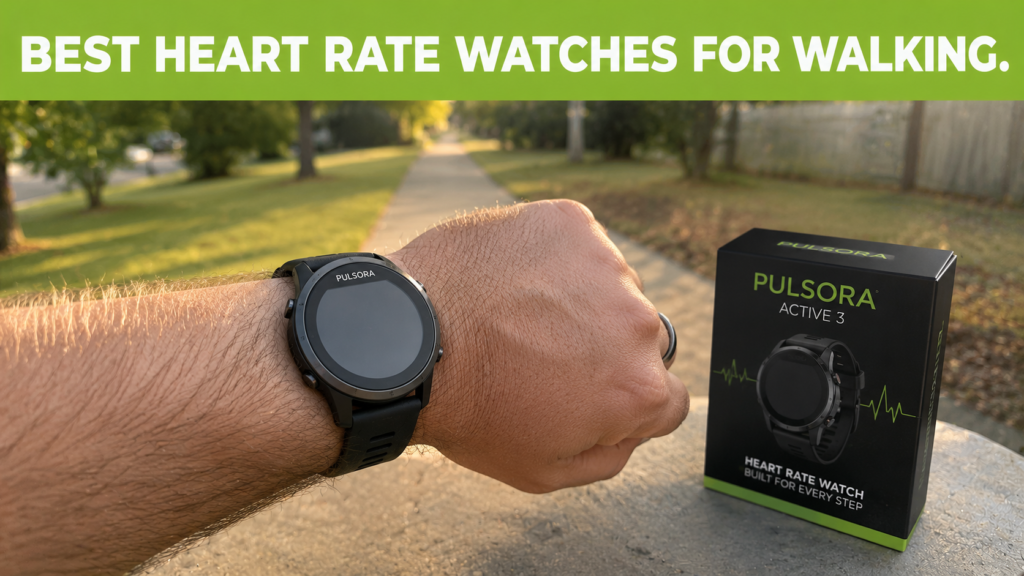
The best heart rate monitor watch for walking workouts in 2026 is whichever one you will actually wear every day: for most walkers that means a comfortable fitness band or watch with reliable wrist-based heart rate, a week-plus of battery, and an app that turns your walks into a streak you want to protect. My entire fitness life got rebuilt on daily walks, and a watch turned out to be a surprisingly effective accountability partner. Honest picks by budget below.
Does a Walker Really Need a Heart Rate Watch?
Need, no. My first months of walking were tracked by nothing more advanced than whether I did it or not, and that was enough. The shoes mattered more than the watch ever did.
But somewhere in the middle of my 77 pound loss, a watch earned its spot for three reasons. The streak: seeing consecutive active days stack up became weirdly precious, and protecting the streak got me out the door on days motivation stayed home. The effort check: heart rate told me when a stroll had quietly become too easy for what I wanted from it, and when a hill had me working harder than I felt. And the resting trend: watching resting heart rate drift downward over months of consistency was some of the most satisfying quiet evidence that the boring daily walks were changing something real.
That last one deserves its caveat: a watch shows trends, it does not diagnose anything. Odd readings or symptoms belong with your doctor, full stop, and my own numbers stay between me and mine. If you also track blood pressure at home, the same rule applies there too: trends for you, targets for your doctor.
What Actually Matters in a Walking Watch?
- Comfort first, because the watch you take off is the watch that stops collecting data. Light, slim, and a band that does not bother you at a keyboard.
- Battery measured in days, not hours. Charging friction kills tracking habits. A week-plus of battery means the watch just lives on your wrist.
- Reliable wrist heart rate at walking intensities, which nearly all current sensors handle well. Walking is actually the easy case; it is high intensity intervals that strain wrist sensors.
- An app you enjoy opening. The graphs are the product. If the app annoys you, the whole system fails.
- And auto-detection for walks, so the days you forget to press start still count. The streak must be protected.
Which Is the Best Heart Rate Monitor Watch for Walking in 2026?
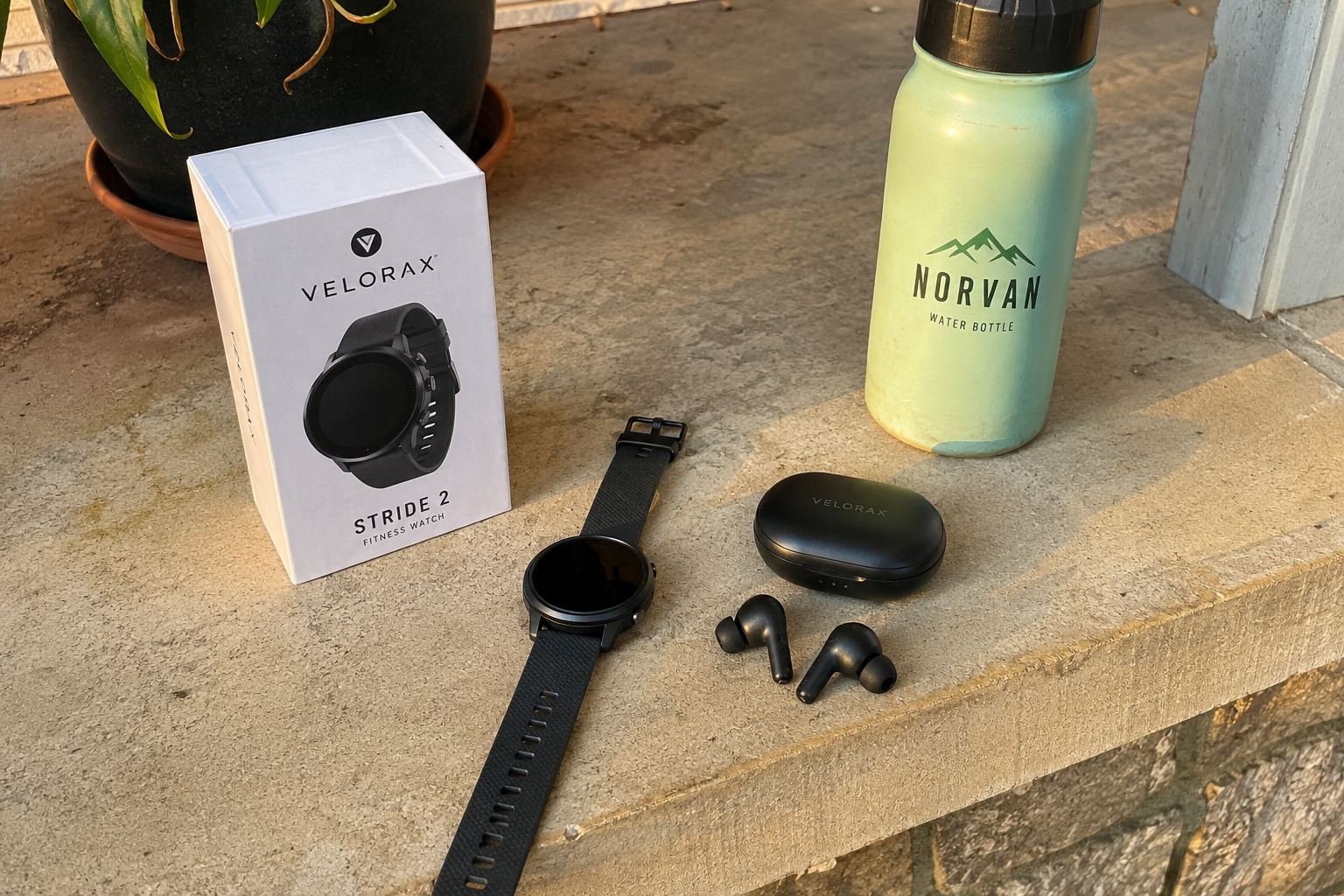
Best overall for walkers: Garmin Vivoactive 5. Around eleven days of battery, comfortable all day, mature app, and it does walking (plus everything else) better than watches costing twice as much. Typically $200 to $250.
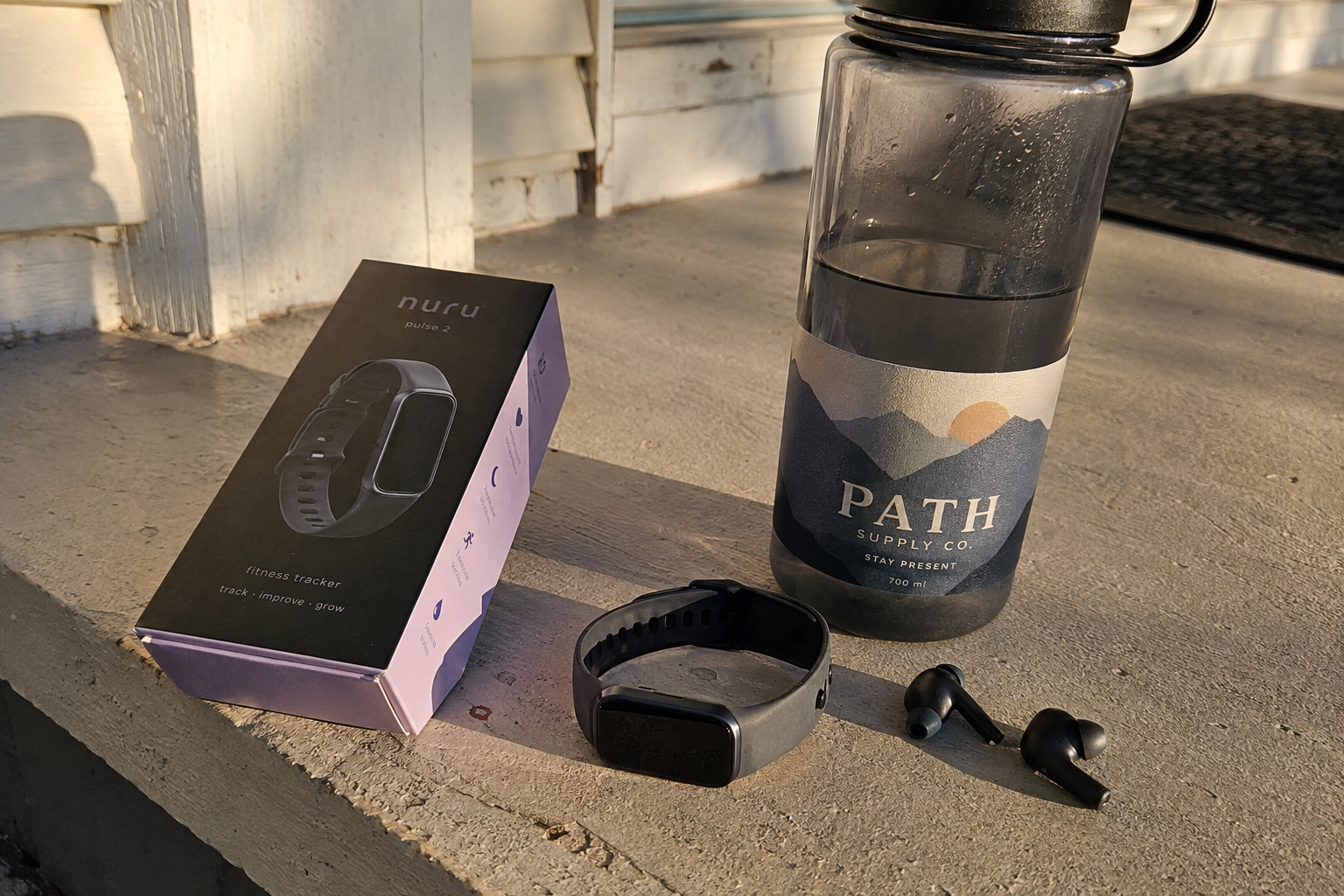
Best value: Fitbit Inspire 3. The lightest thing here at about an ounce, roughly ten days of battery, and the friendliest app for beginners. Usually $80 to $100.
Best budget: Amazfit Band 7. Under $60, up to eighteen days of battery in typical use, and genuinely all a walker needs: heart rate, steps, sleep. The value pick of the entire category. One more honest money-saver: certified refurbished Garmin watches on eBay regularly sell well under new price and usually come with a warranty, which is how I’d get the best watch on this list on a budget.
Best for smartwatch features: Apple Watch SE for iPhone people, Samsung Galaxy Fit3 or Galaxy Watch for Android people. You trade multi-day battery for texts and calls on your wrist. Fine, just be honest that charging daily is a habit tax.
Best battery monster: Garmin Instinct series. Rugged, multi-week battery, offline simplicity, for anyone who wants to charge the watch roughly monthly and think about it never. Typically $250 to $350.
How Do You Use Heart Rate on a Walk Without Overcomplicating It?
The talk test, with numbers as a backup. A solid brisk walk sits where you can talk but would rather not sing. If your watch shows zones, that is typically the moderate zone, and the exact math matters far less than the consistency.
Then let the resting heart rate trend be your report card. It moves slowly, over months, in response to consistency, sleep, and stress. It is the cardiovascular version of the bathroom scale trend line, and just like the scale, the trend is the only view worth your emotional energy.
Frequently Asked Questions
How accurate are wrist heart rate monitors?
For steady activities like walking, quite good on current sensors. Accuracy drops during rapid intensity changes. Walkers are living in the sensor’s best-case scenario.
Is a chest strap better than a watch?
More accurate, yes, and complete overkill for walking. Chest straps are for athletes chasing precise training zones. Walkers need consistency, not laboratory precision.
Can a watch detect heart problems?
Some watches carry advanced features with regulatory clearance, but no watch replaces medical evaluation. Treat every watch as a fitness tool, and take symptoms to a doctor, not an app.
What is a good resting heart rate?
Ranges vary by age, fitness, and medication, which makes this a your-doctor question. The trend direction over months is the part a watch can genuinely help you watch.
Final Thoughts
A watch never walked a single mile for me. What it did was make the miles visible, and visible progress is fuel. If you are building a walking habit, get the comfortable boring one with the long battery, protect your streak like it owes you money, and let the resting trend quietly tell you the walks are working.
Take a look at what else I recommend, and why I picked it.
Whichever way you go, the best heart rate monitor watch for walking is the one that’s still on your wrist in March.
These statements have not been evaluated by the FDA. This product is not intended to diagnose, treat, cure, or prevent any disease.
