

Published
Yes, magnesium glycinate and melatonin are commonly taken together, and there is no known interaction between them for most healthy adults. They do different jobs. Magnesium is a mineral that may help support relaxation, while melatonin is a hormone that signals sleep timing. If you take medications or have a health condition, check with your doctor first.

That is the short answer. The better question is whether you actually need both, because more is not automatically better with sleep support. Let’s break it down.
What does each one actually do?
Magnesium is a mineral your body needs for hundreds of jobs, including normal muscle and nervous system function (source: NIH Office of Dietary Supplements). It is not a sedative. Its role in sleep support comes from keeping systems that help you relax running the way they should, especially if your diet runs low, which is common. Glycinate is simply a gentle, well-absorbed form. If forms are new to you, my pillar guide to magnesium glycinate vs citrate vs oxide covers that ground.
Melatonin is different. It is a hormone your brain makes in the evening to tell your body the day is over. A supplement dose acts as a timing signal, which is why research supports it most for things like jet lag and shifted sleep schedules rather than as a nightly knockout (source: National Center for Complementary and Integrative Health).
One is a mineral your body may simply be short on. The other is a clock signal. That difference drives everything else in this post.
Magnesium Glycinate and Melatonin: Is It Safe to Combine Them?
For most healthy adults, yes. They work through different pathways and there is no known interaction between the two. That said, three honest cautions.
First, melatonin is a hormone, and more is not better. Small doses of 0.5 to 1mg are where many people start, and going higher mostly adds next-morning grogginess rather than deeper sleep.
Second, medications matter. Blood thinners, blood pressure medication, diabetes medication, immune suppressants, and several others can interact with melatonin, and some medications and kidney conditions matter for magnesium too. One quick conversation with your doctor or pharmacist settles it for your situation.
Third, supplements are support, not a foundation. If your sleep problem is really a 3am wake-up pattern driven by stress, alcohol, or a warm bedroom, start with my guide to why you wake up at 3am, because no combination of capsules outruns those habits.
Who benefits from which one?
Here is how I sort it out.
Trouble falling asleep because your schedule shifted. Travel, night shifts, a body clock that drifted late. That is the timing problem melatonin was made for.
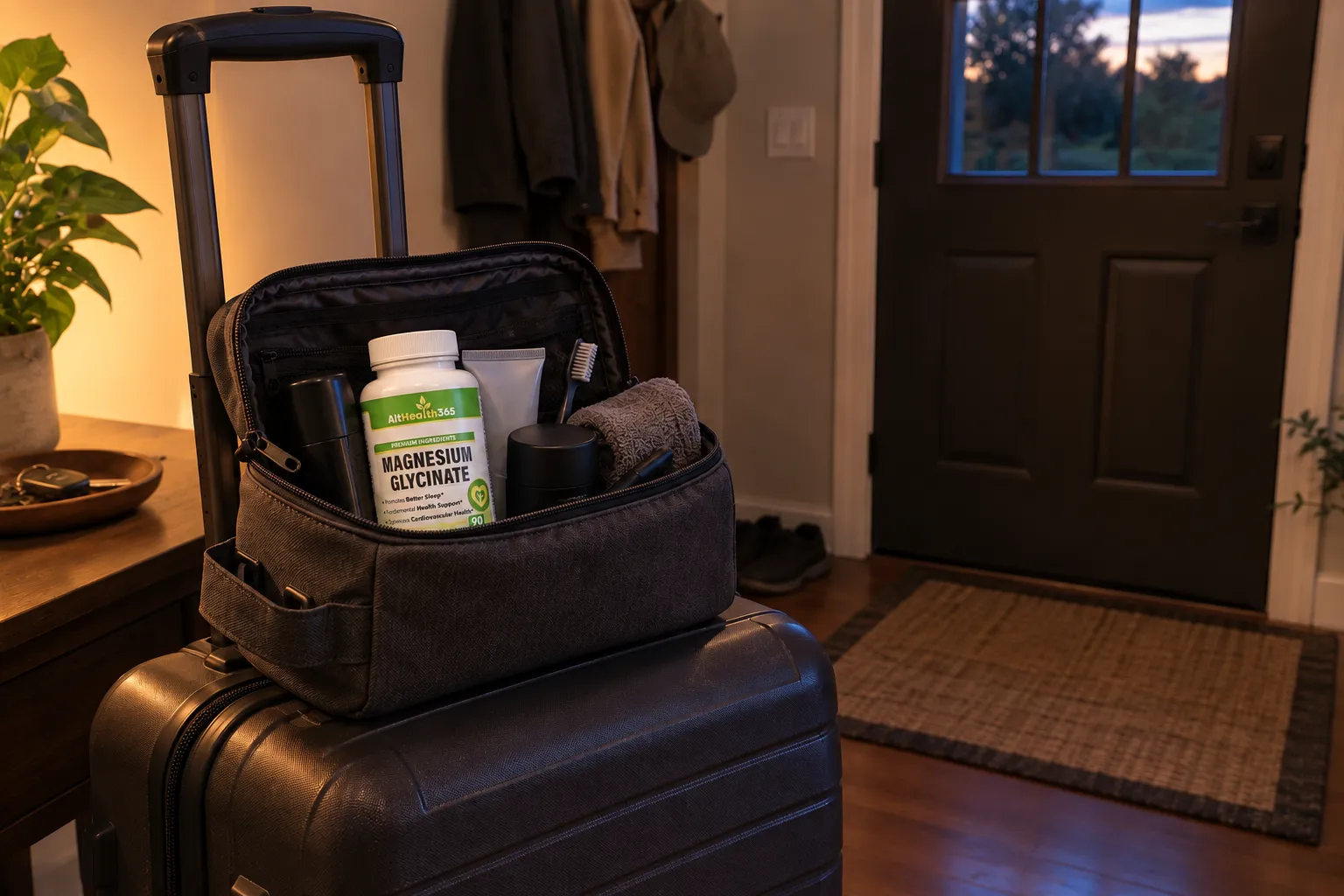
Trouble with tension, restless muscles, and choppy sleep. That is magnesium territory, especially if your diet leans processed, because that is exactly how people run low on it. This one is my story. Choppy sleep and tight muscles were my signals, and nightly magnesium glycinate is what I still take.
Both problems at once. A stressful season that also blew up your schedule. That is when combining them makes sense for a while, with melatonin as the short-term timing reset and magnesium as the steady base.
If you are still deciding between them rather than combining, I wrote a full head-to-head at magnesium glycinate vs melatonin that settles the either/or question.
How would I sequence them?
Do not start both on the same night. You will never know which one is doing what.
Start with magnesium glycinate nightly for two to three weeks. It is the one that addresses a possible ongoing shortfall, and it is the one that belongs in a permanent routine. My timing guide covers the details, but the short version is 30 to 60 minutes before bed, every night. The one I take is our Magnesium Glycinate 275mg.
Then, if falling asleep at the right hour is still the sticking point, add a low-dose melatonin for a short stretch and judge the effect. Think of melatonin as a tool you pick up and put down, and magnesium as part of the nightly foundation.
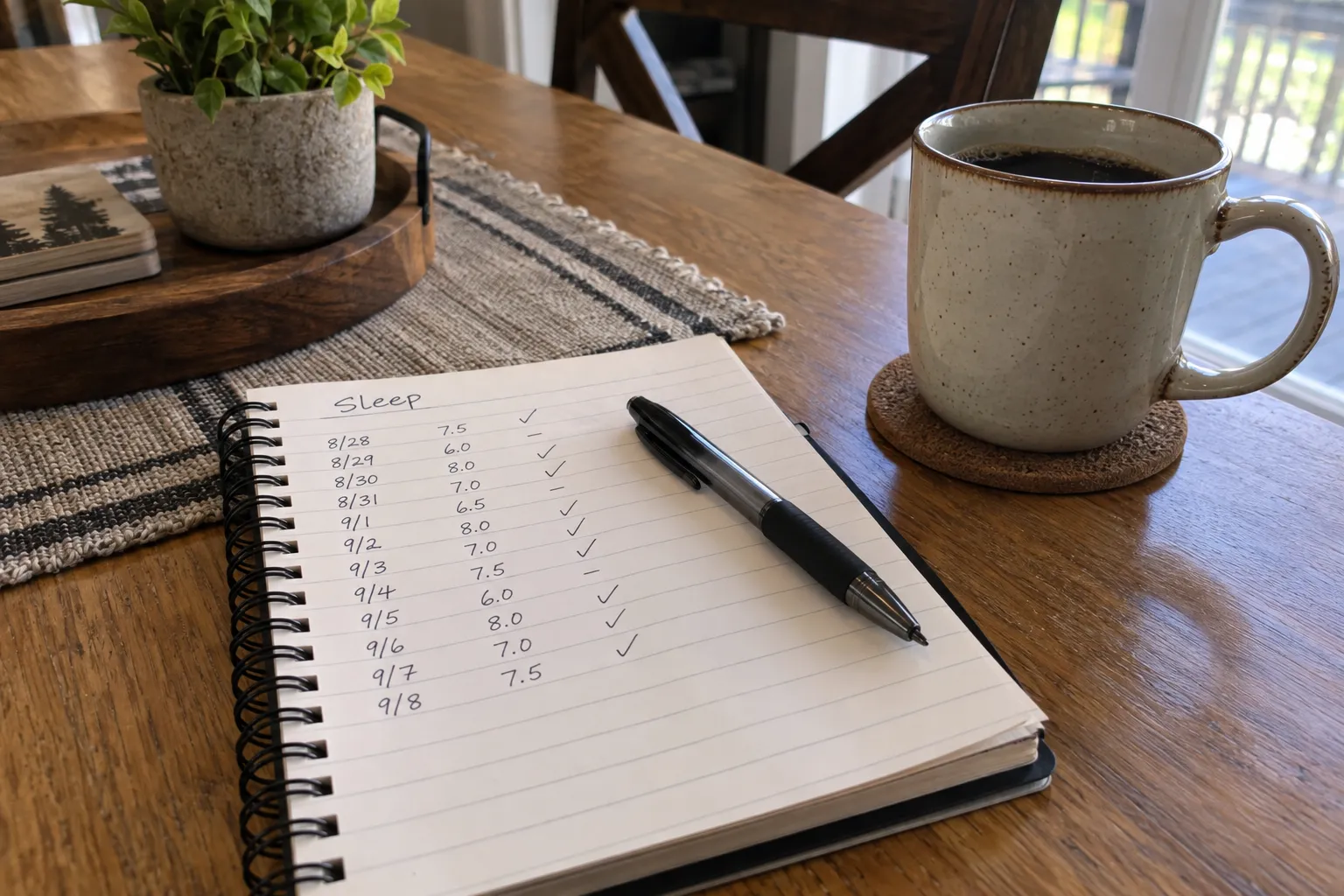
And give the whole thing an honest test window. A few weeks, same routine, no clock-watching. Sleep support is a compounding habit, not an overnight fix. If you want the routine written down to keep, my free 7-Day Supplement Starter Guide is right here.
Which magnesium do I actually use?
Our own Magnesium Glycinate 275mg, every night, 30 to 60 minutes before bed. I went with the glycinate form because it’s gentle on the stomach and it’s the one I kept taking when the novelty wore off. That’s the whole test for me. Not what sounds good on a label, but what still gets taken in month three.
FAQ
Can I take magnesium glycinate and melatonin at the same time?
Yes, most healthy adults can take them together in the evening. There is no known interaction between them. Check with your doctor if you take medications.
How much melatonin should I take with magnesium?
Less than you think. Many people start at 0.5 to 1mg. Higher doses mostly add morning grogginess. Follow the label and your doctor’s guidance.
Should I take magnesium or melatonin first?
Start magnesium alone for a few weeks, then add low-dose melatonin only if falling asleep at the right time is still the problem. Starting both at once tells you nothing about what worked.
Is it OK to take melatonin every night?
Melatonin shines as a short-term timing tool for things like jet lag and schedule shifts. For nightly, long-term support, most people are better served by habits plus a steady mineral base. Long-term nightly melatonin is a conversation for your doctor.
Will this combination knock me out?
No, and nothing sold over the counter honestly should. Magnesium may help support relaxation and melatonin may help signal sleep timing. The knockout feeling you are imagining is what a good routine delivers after a few consistent weeks.
If magnesium is the piece you’re starting with, the one I take is here: Magnesium Glycinate 275mg. Support, not magic. Give it a few honest weeks.
These statements have not been evaluated by the FDA. This product is not intended to diagnose, treat, cure, or prevent any disease.
