
Published · Updated
This post contains affiliate links, including Amazon and eBay links. If you buy through them, I may earn a small commission at no extra cost to you, and it never changes what I recommend.
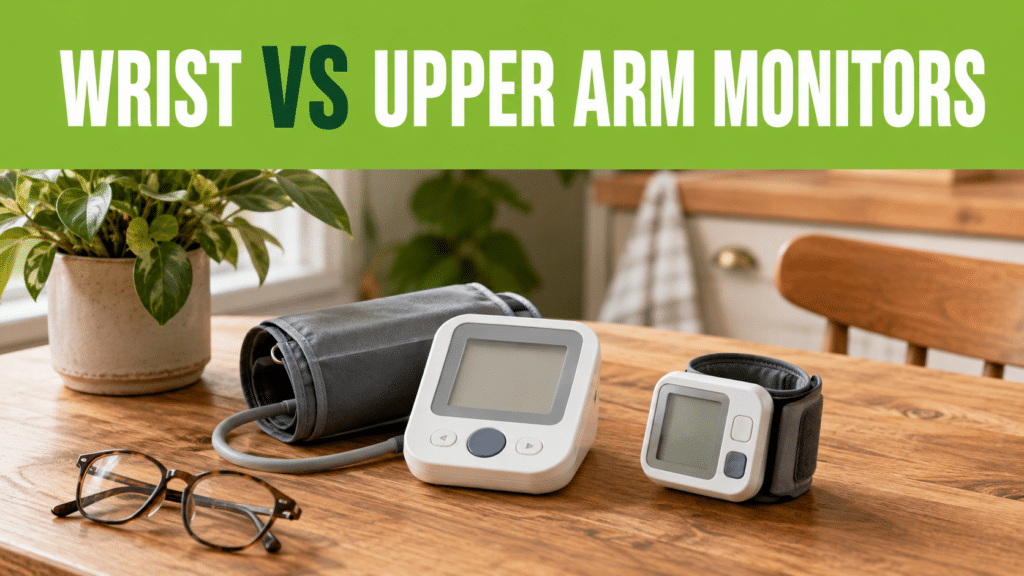
For most people, an upper arm blood pressure monitor is the one to buy: it is the style validated most heavily in research, the style most doctors trust, and the style whose readings depend least on perfect technique. The American Heart Association does not even recommend wrist monitors as a first choice, though they earn their place in specific situations I will cover honestly. After my 2024 health scare, a home monitor became part of my regular routine, so this comparison comes from daily use, not just spec sheets.
Why Do Doctors Prefer Upper Arm Monitors?
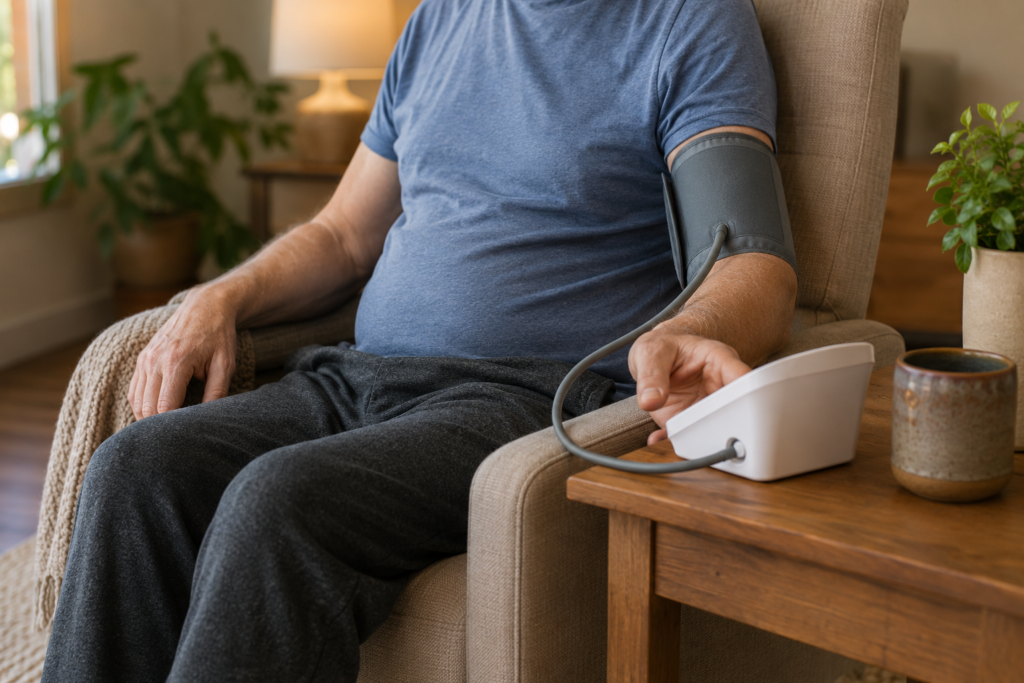
Position and physics. An upper arm blood pressure monitor cuff measures at roughly heart level by default, which is exactly where blood pressure wants to be measured. A wrist sits wherever your arm happens to be, and every inch above or below heart level nudges the reading. Wrist arteries are also narrower, which makes the measurement inherently fussier.
None of that makes wrist monitors junk. It makes them technique-dependent. An upper arm cuff forgives a sloppy morning. A wrist cuff does not.
When Does a Wrist Monitor Actually Make Sense?
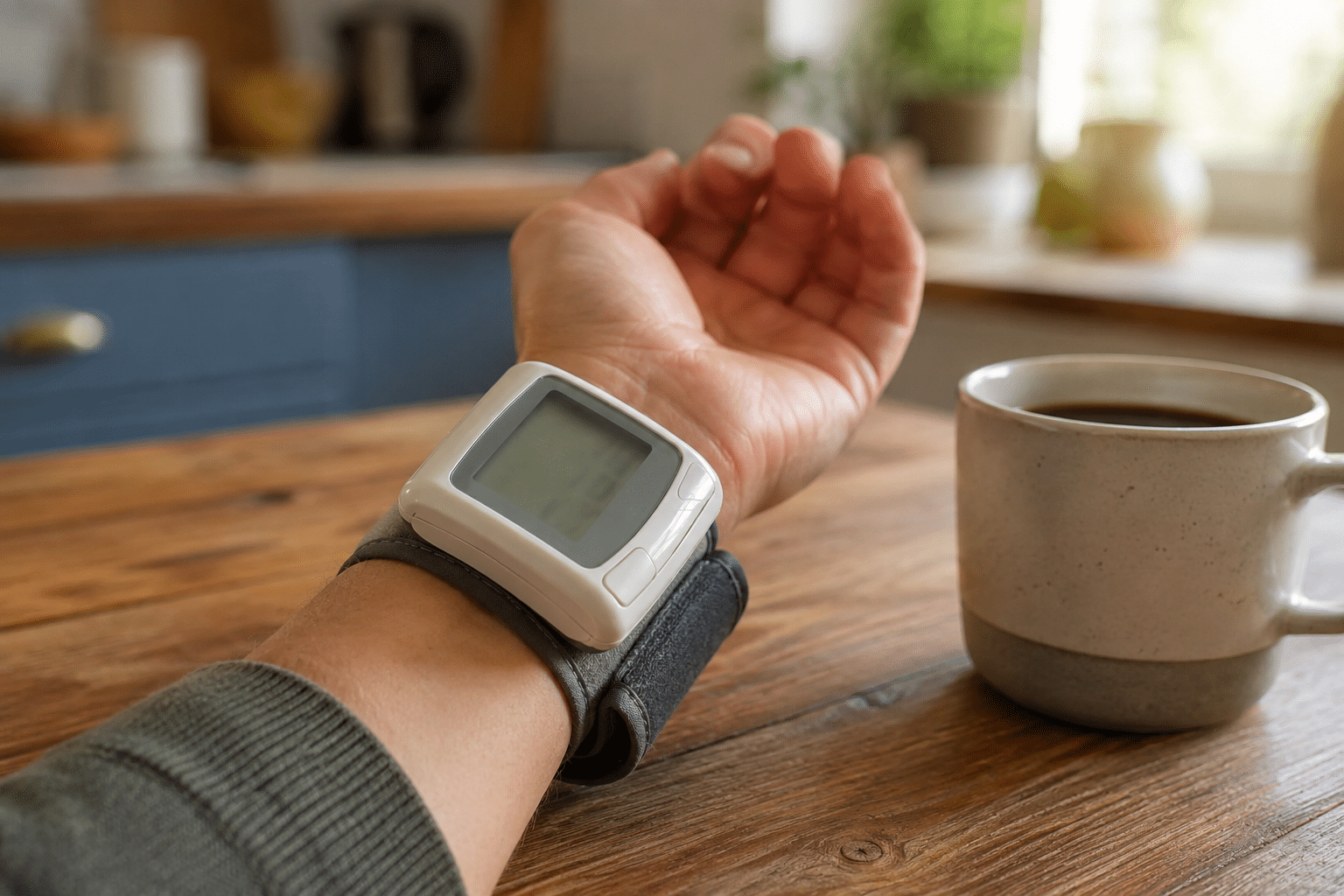
Three honest cases. First, very large upper arms where standard and even XL cuffs fit poorly, which produces its own inaccuracy. A well-used wrist monitor beats a badly fitting arm cuff. Second, physical limitations that make wrapping an arm cuff one-handed genuinely difficult. Third, travel, where the pocket-sized wrist unit that actually gets packed beats the arm unit left at home.
If you go wrist, commit to the technique: seated, back supported, wrist at heart level every single time, and take readings at a consistent time of day.
Which Monitors Are Worth Buying in 2026?
Best overall upper arm: OMRON Platinum. Clinically validated, dual display, stores readings for two users, and syncs everything to the OMRON app automatically. The boring gold standard for a reason. Around $100 to $130. Check price on Amazon
Best budget upper arm: OMRON 3 Series. Same core validated accuracy, fewer conveniences, regularly under $60. The reading is what matters, and this nails the reading. If the budget is tight, open-box OMRON monitors on eBay can shave real money off, just stick with high-rated sellers and double-check the cuff size before you buy. Check price on Amazon
Best cuff range for larger arms: OMRON’s wide-range D-ring cuff models, or the Oxiline Pressure XS Pro with its XL cuff option covering roughly 8.6 to 18.9 inch arms. Cuff fit is the most underrated accuracy factor in home monitoring. Check price on Amazon
Best wrist option, for the three honest cases above: OMRON Gold Wrist. Its positioning indicator coaches your wrist to heart level before it measures, which directly addresses the style’s biggest flaw. Around $70 to $90. Check price on Amazon
How Do You Get Readings Your Doctor Will Actually Trust?
Consistency beats gadgetry. Same time each day, seated quietly for five minutes first, feet flat, back supported, cuff on bare skin, no caffeine or exercise in the previous half hour. Take two readings a minute apart and log both.
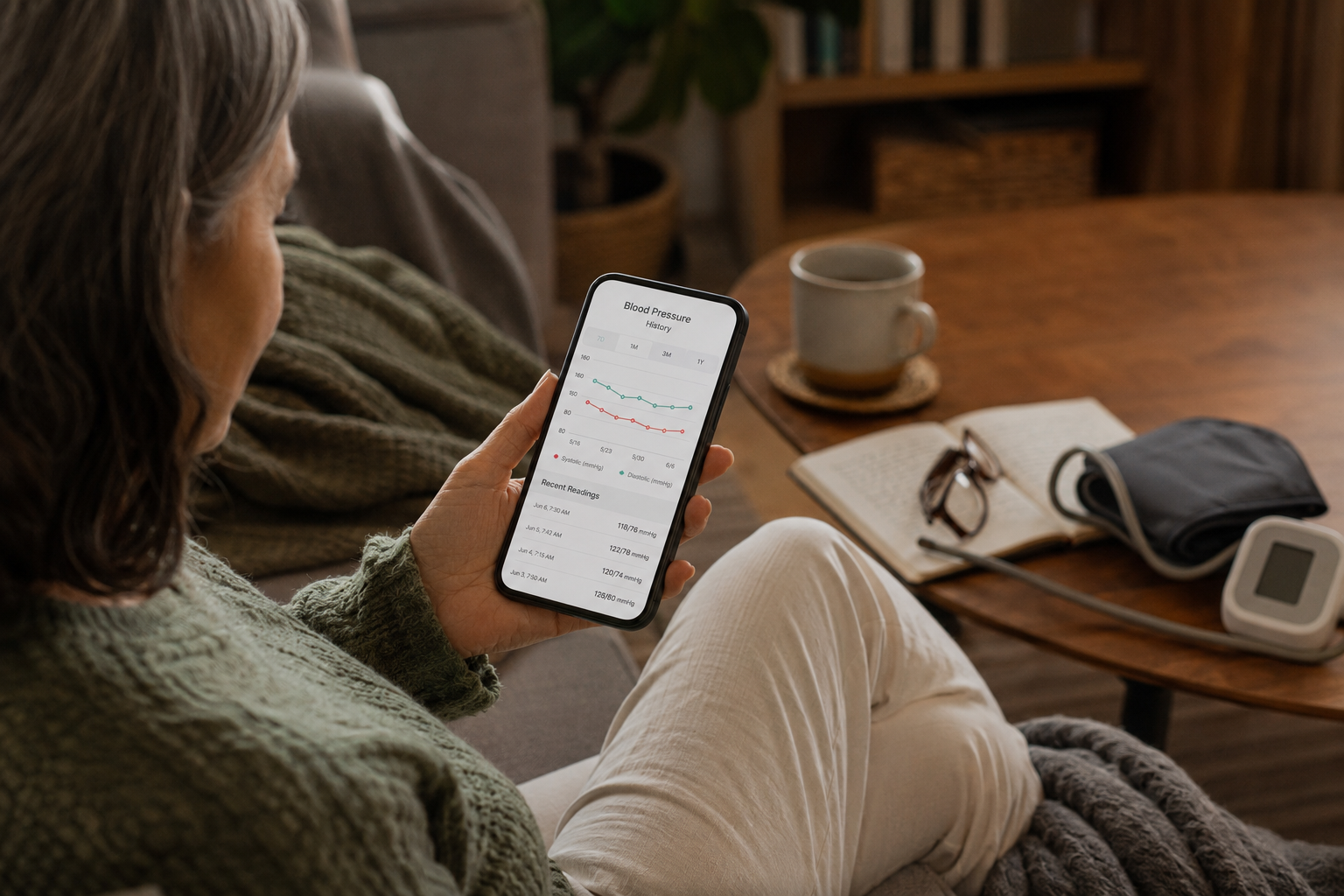
Bring the monitor to a checkup once and let your doctor compare it against their equipment. And let the trend, not any single reading, carry the meaning. Single readings bounce for a dozen harmless reasons. I treat mine exactly like my bathroom scale: calm data collection, doctor interprets, no drama. Friday’s post walks through my exact home routine.
Frequently Asked Questions
Are wrist blood pressure monitors accurate?
Validated models can be, with careful technique. Their weakness is sensitivity to wrist position, which is why the American Heart Association points people to upper arm cuffs first.
How much should I spend on a home monitor?
A validated upper arm monitor from a major brand runs 50 to 130 dollars. Spend for validation and cuff fit, not for features.
How often should I check my blood pressure at home?
That is a conversation for you and your doctor. What I will say generally: consistent conditions matter more than frequency, and obsessive checking helps nobody.
Do smartwatch blood pressure features replace a cuff?
Not yet. Most estimate rather than measure and require regular calibration against a real cuff. Fine as a curiosity, not a substitute.
Final Thoughts
A home blood pressure monitor is one of the cheapest pieces of genuinely useful health equipment you can own, and after my scare it earned a permanent spot on my counter. Buy the boring validated arm cuff unless you have a real reason not to, use it the same calm way every time, and let your doctor do the interpreting.
Take a look at what else I recommend, and why I picked it.
These statements have not been evaluated by the FDA. This product is not intended to diagnose, treat, cure, or prevent any disease.
