
Published
This post contains affiliate links, including Amazon and eBay links. If you buy through them, I may earn a small commission at no extra cost to you, and it never changes what I recommend.
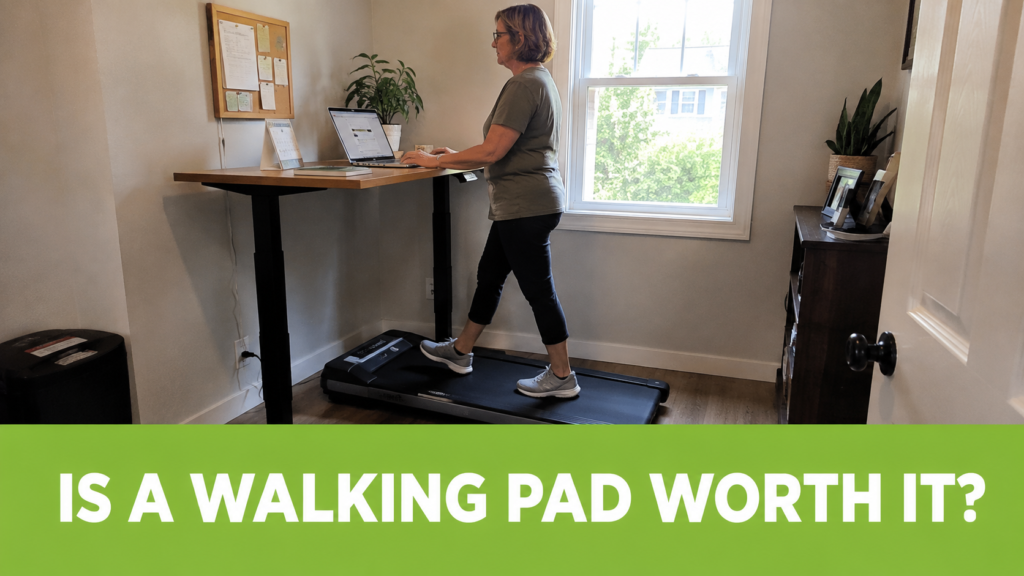
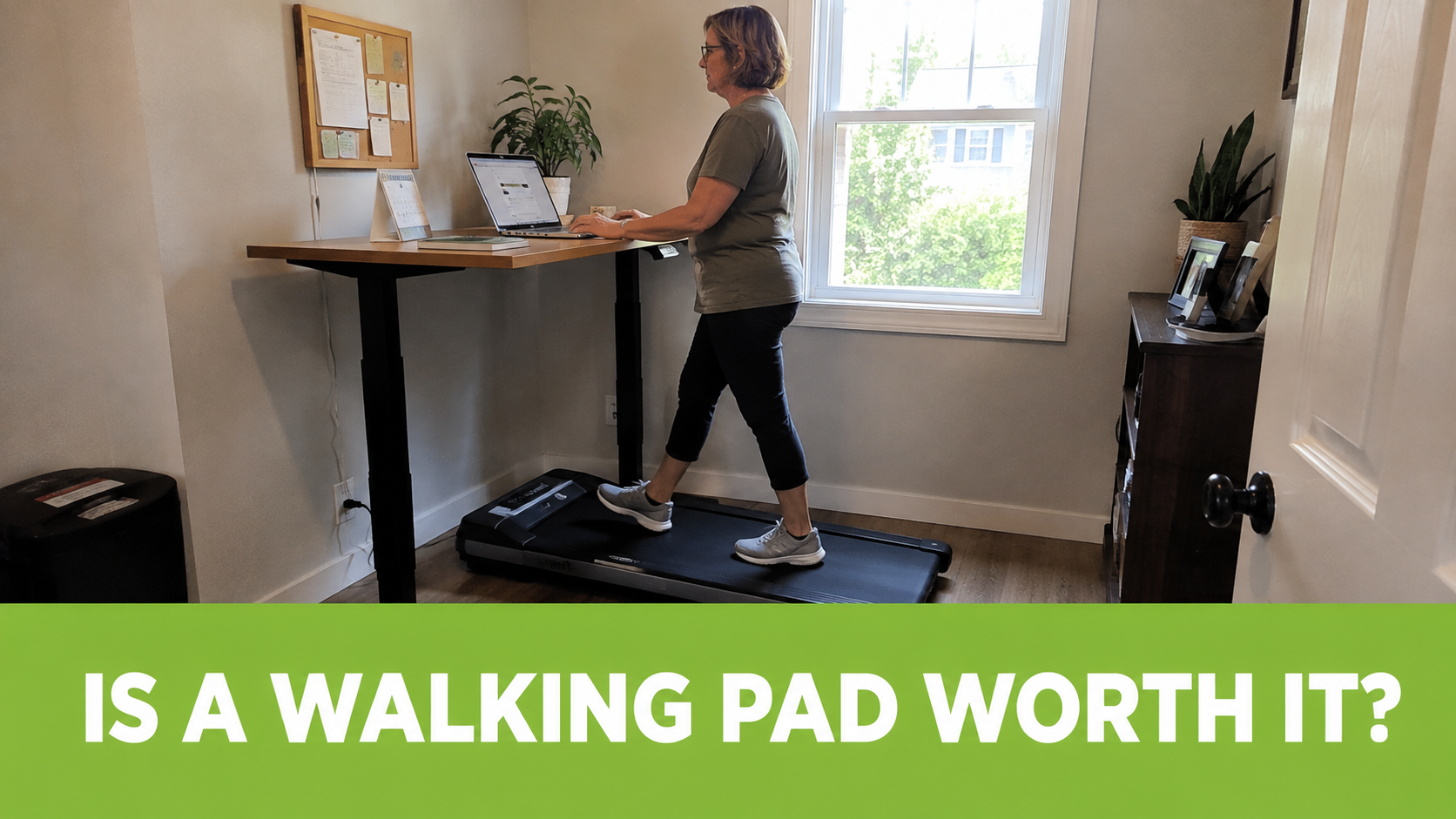
A walking pad is worth it if you sit at a desk most of the day, live in a small space, or lose your walking routine every time the weather turns. It will not transform you overnight, but it makes daily movement almost automatic, and that is where real change starts.
First, Some Honesty
I want to be straight with you right up front. I do not own a walking pad. My movement comes from the gym three times a week, the garden, yard work, and hauling boxes at my flea market booth on weekends. I get my steps the old fashioned way.
But readers keep asking me about walking pads, so I did what I always do. I researched them the same way I once researched what was actually in processed food. Thoroughly, honestly, and with zero interest in telling you what you want to hear. What follows is what my research says, not what I personally use.
What Is a Walking Pad, Exactly?
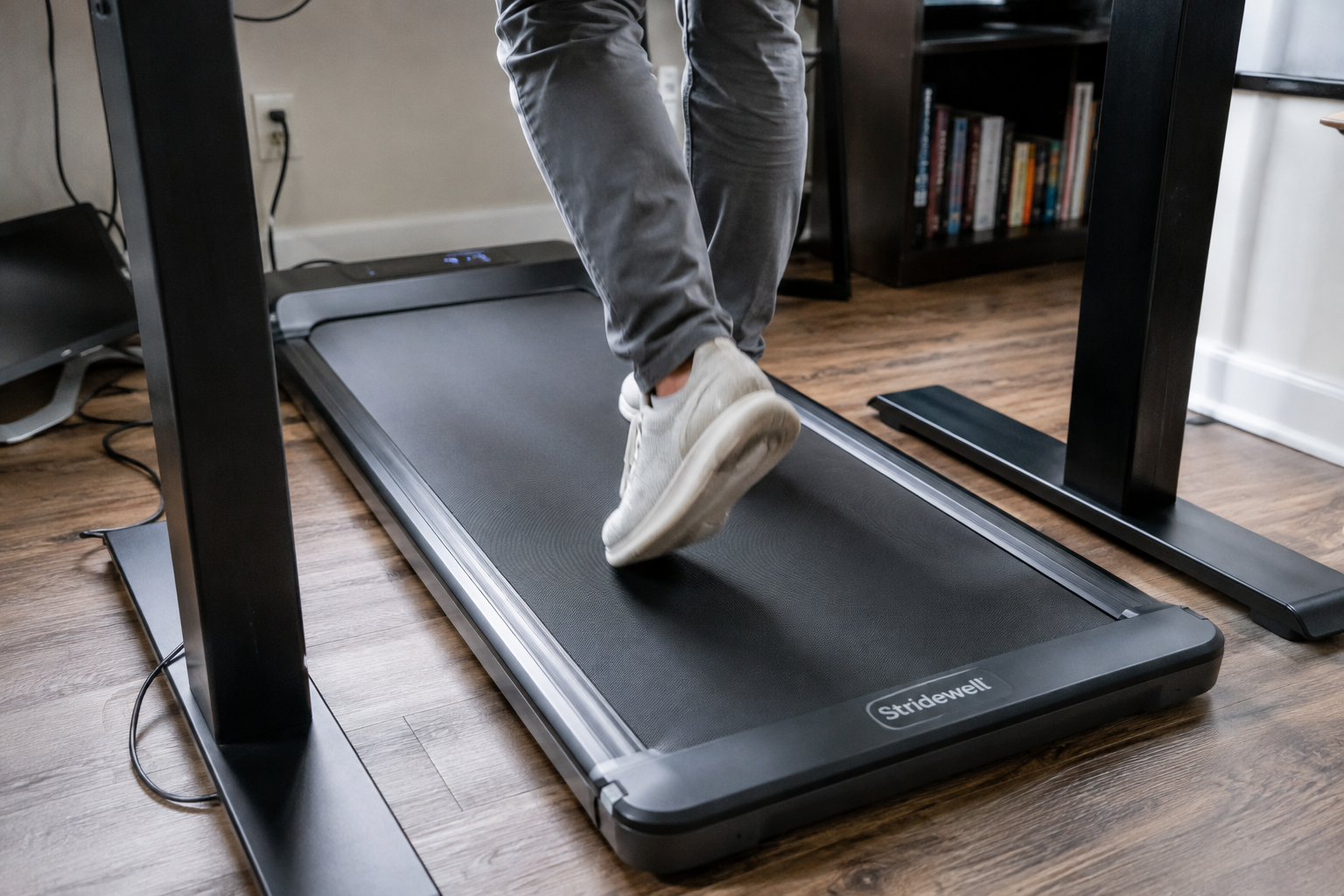
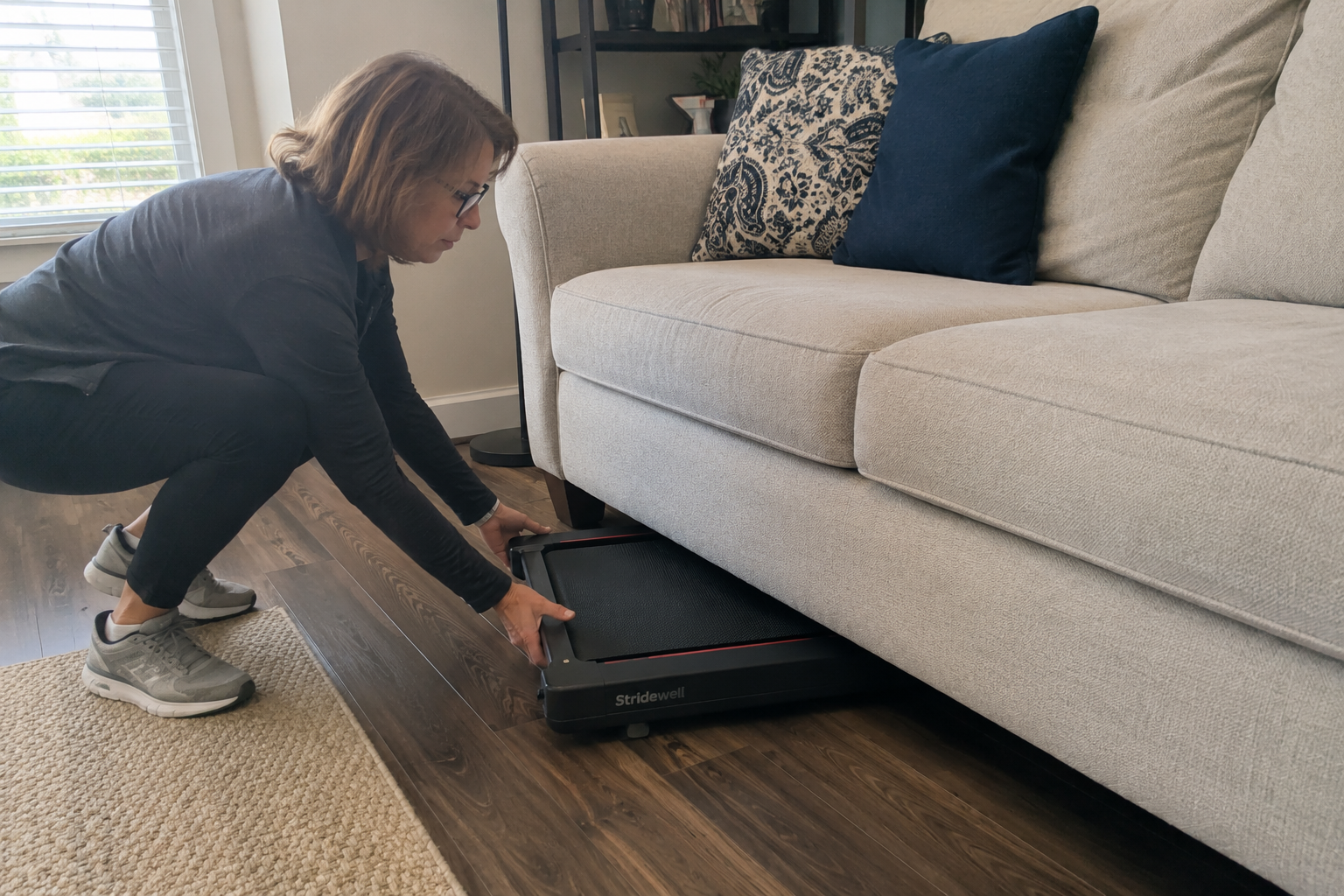
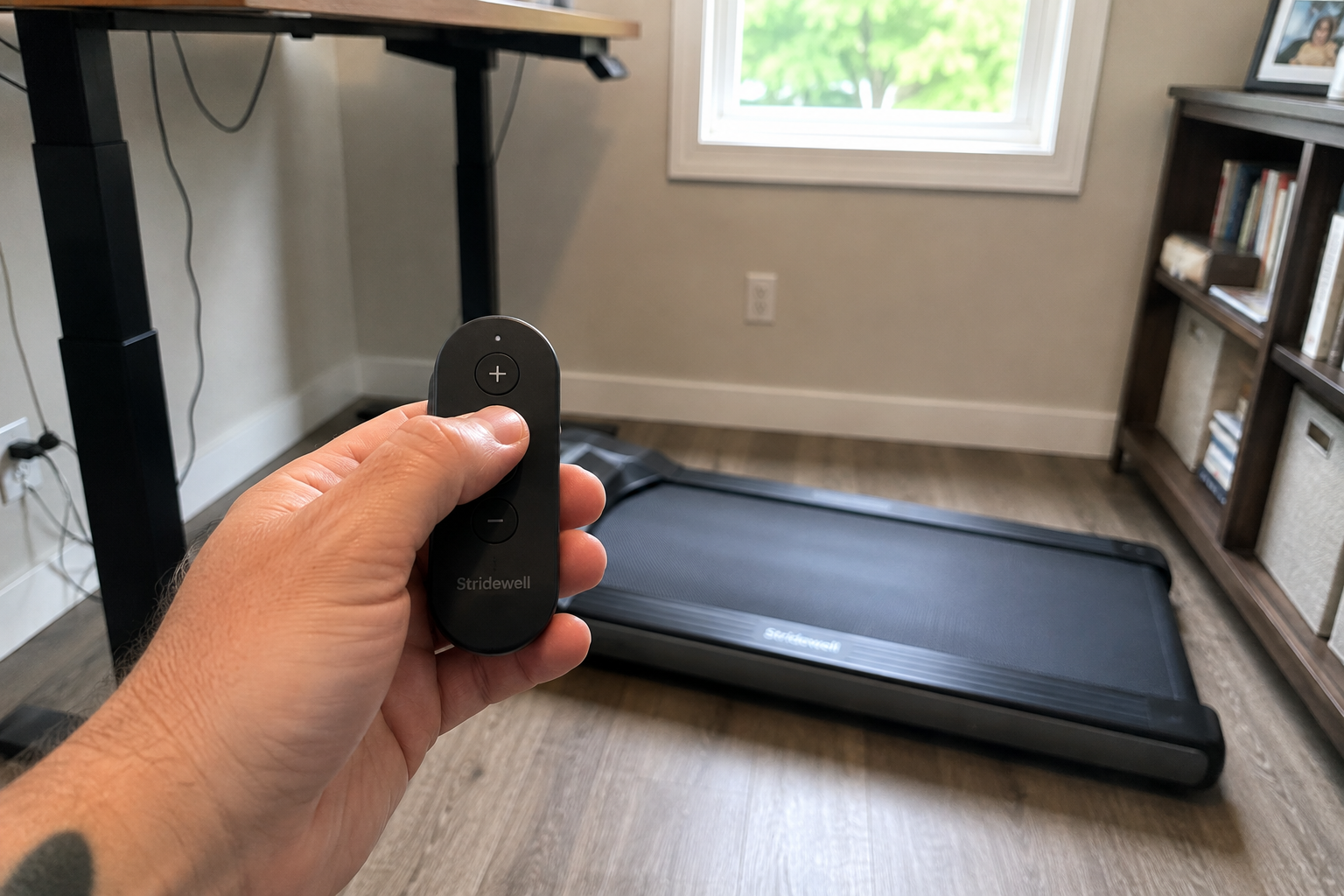
A walking pad is a slim, lightweight treadmill built for walking, not running. Most models skip the big console and handrails, top out around 4 miles per hour, and fold flat enough to slide under a bed or couch. You control them with a small remote or a phone app.
Why do they exist at all? Because most of us sit way too much. Research has linked long stretches of sitting with poorer health outcomes, and regular walking with better heart health, mood, and energy (source: American Heart Association). A walking pad is simply a way to sneak walking into hours that would otherwise be spent parked in a chair.
Who Is a Walking Pad Actually For?
Here is my honest answer, because this thing is not for everyone.
A walking pad makes real sense for desk workers who spend six or more hours a day sitting, folks in apartments or small homes without room for a full treadmill, anyone whose outdoor walks disappear when winter or a heat wave shows up, and people easing back into movement who want something gentle and low impact on the joints.
It is not for runners, and it is not a magic fix. When I lost 77 lbs after my 2024 health scare, the biggest lesson was that no single gadget does the work for you. Small, boring, consistent habits do. A walking pad is just a tool that makes one of those habits easier to keep.
If you want the bigger picture on building those habits, I wrote a whole post about staying active after 40 that pairs well with this one.
What Should You Look For in a Walking Pad?
After digging through spec sheets and a small mountain of owner reviews, four things kept separating the good ones from the frustrating ones.
Noise level. If you plan to walk during calls or while the TV is on, look for pads rated quiet at walking speeds. This was the number one complaint in reviews of cheap models.
Weight capacity and belt size. Check the max user weight and the belt length. Taller walkers need a longer belt, and a pad that is undersized for you will wear out fast.
Controls you will actually use. A simple remote beats a fussy app for most people. App tracking is a nice bonus if you like watching your numbers add up.
Storage and portability. Check the pad’s own weight and whether it has transport wheels. The best pad is the one you can move and stow without dreading it.
What Are the Best Walking Pads for Beginners in 2026?
Links are below each pick. Here are the four types my research says are worth your money.
Best Overall: A Quiet Under-Desk Pad with Remote and App Tracking. This is the sweet spot for most beginners. Quiet enough for work calls, a remote for quick speed changes, and app tracking so your steps and miles are logged without thinking about it. Reviewers who stuck with the habit long term overwhelmingly owned pads in this category. See quiet under-desk walking pads with app tracking on Amazon.
Best Budget: A Basic Belt-Only Pad with a Remote. No app, no frills, just a belt and a remote. If you mostly want to test whether you will actually use a walking pad before spending more, this is the honest starting point. You give up some quietness and tracking, but the core function is the same. See budget walking pads with a remote on Amazon.
Best for Small Spaces: A Slim Fold-Flat Pad That Slides Under a Couch. Built thin and light, with wheels, so it disappears under a couch or bed between walks. If your living room has to stay a living room, this is your pick. The trade-off is usually a slightly lower weight capacity, so check that spec first. See slim fold-flat walking pads on Amazon.
Best for Faster Walkers: A Pad with a Handrail Option and a Higher Top Speed. Some pads offer a fold-up handrail and a higher top speed for brisk walking or light jogging. The handrail also adds a steadying hand-hold, which reviewers with balance concerns mentioned appreciating. Heavier and pricier, but more room to grow. See walking pads with a handrail and higher top speed on Amazon.
How Would I Choose?
If it were my money, I would ask myself two questions. Where will this live, and will I actually step on it every day? A pad in the closet gets used. A pad in the garage gets forgotten.
Then I would compare total cost, and here is a tip my bargain-hunting flea market side loves. Brand-name walking pads show up refurbished or open-box on eBay at a real discount, often hundreds less than new. Check there before paying full price, because a lightly used pad walks just as well as a new one. See refurbished and open-box walking pads on eBay.
One more thought. A walking pad covers your steps, but movement works best as part of a bigger routine. I keep mine simple: lifting a few days a week, garden and yard work, stretching on a good mat (my yoga mat roundup covers those), and the healthy aging supplements I take daily. No single piece carries the whole load.
FAQs
Can you lose weight with just a walking pad?
Walking adds up, but food matters more. I lost 77 lbs through whole food and a consistent routine, and movement was one piece of that, not the whole puzzle. A walking pad may help you burn more and feel better, but it works best alongside honest eating.
How loud is a walking pad?
The good ones hum at about the level of a quiet fan at walking speeds, easy to talk over on calls. Budget models tend to be noticeably louder, which is why noise level is the first spec I would check.
Do you need a standing desk to use one?
No. Plenty of owners use theirs while watching TV, listening to podcasts, or just pacing through phone calls. A standing desk makes the work-and-walk combo easier, but it is not required.
How long do walking pads last?
With basic care, most quality pads last several years. The two habits that stretch their life are staying under the weight limit and occasionally lubricating the belt per the manual. Skipping those is behind most of the early failures I read about.
Final Thoughts
So, is a walking pad worth it? For the right person, absolutely. If you sit most of the day, live in a tight space, or lose your walks to bad weather, it removes the biggest excuse between you and daily movement. If you already move plenty outdoors like I do, your money is fine where it is.
Either way, the win is not the gadget. It is the steps you take on it, day after ordinary day.
Take a look at what else I recommend, and why I picked it.
