
Published · Updated
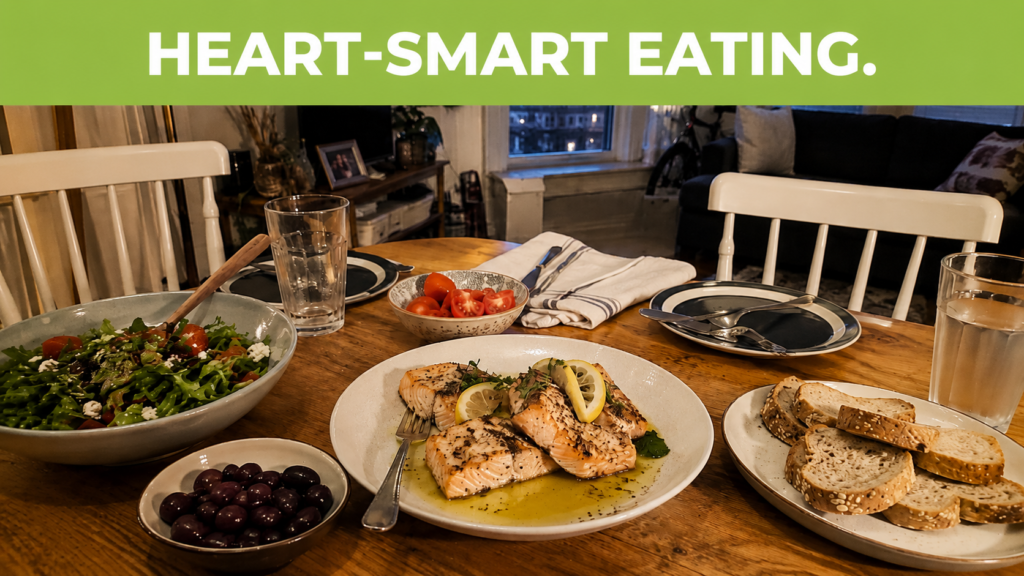
Heart-smart eating, for me, came down to five concrete changes after my 2024 wake-up call: cooking at home by default, cutting the processed salt bombs, eating fish on purpose, loading the plate with plants I actually like, and reading every label like it owed me money. No named diet, no forbidden food list taped to the fridge. Here is what actually changed in my kitchen and what I would tell anyone starting the same overhaul.
Why Did the Way I Ate Have to Change First?
Because my old cart was working against my heart on every front at once. Too much sodium from packaged and restaurant food, too many engineered snacks, sugary drinks all day, and almost nothing resembling a vegetable that was not fried. My weight was the visible symptom, and the scare made me stop treating it as only a cosmetic problem.
The good news I did not expect: the eating pattern that took 77 pounds off me and the eating pattern the cardiology research points toward are basically the same pattern. Whole food, cooked at home, heavy on plants, sensible on salt. One overhaul, every benefit.
What Were the Five Actual Changes?
Cooking at home became the default, not the exception. Restaurant and packaged food carry most of the sodium the average American eats, and the only way I could control that without doing math at every meal was controlling the kitchen. Home cooking quietly fixed three problems in one move.
The processed salt bombs got benched. Deli meats, canned soups, frozen dinners, chips. Not banned forever, benched. Whole food versions took their roster spots: real cooked meat instead of processed slices, homemade chili instead of the can.
Fish got scheduled. Twice a week, mostly salmon and canned options, because the research on fish-forward eating patterns and heart health is some of the most consistent in nutrition science. Scheduling mattered; fish does not happen by accident in Tennessee.
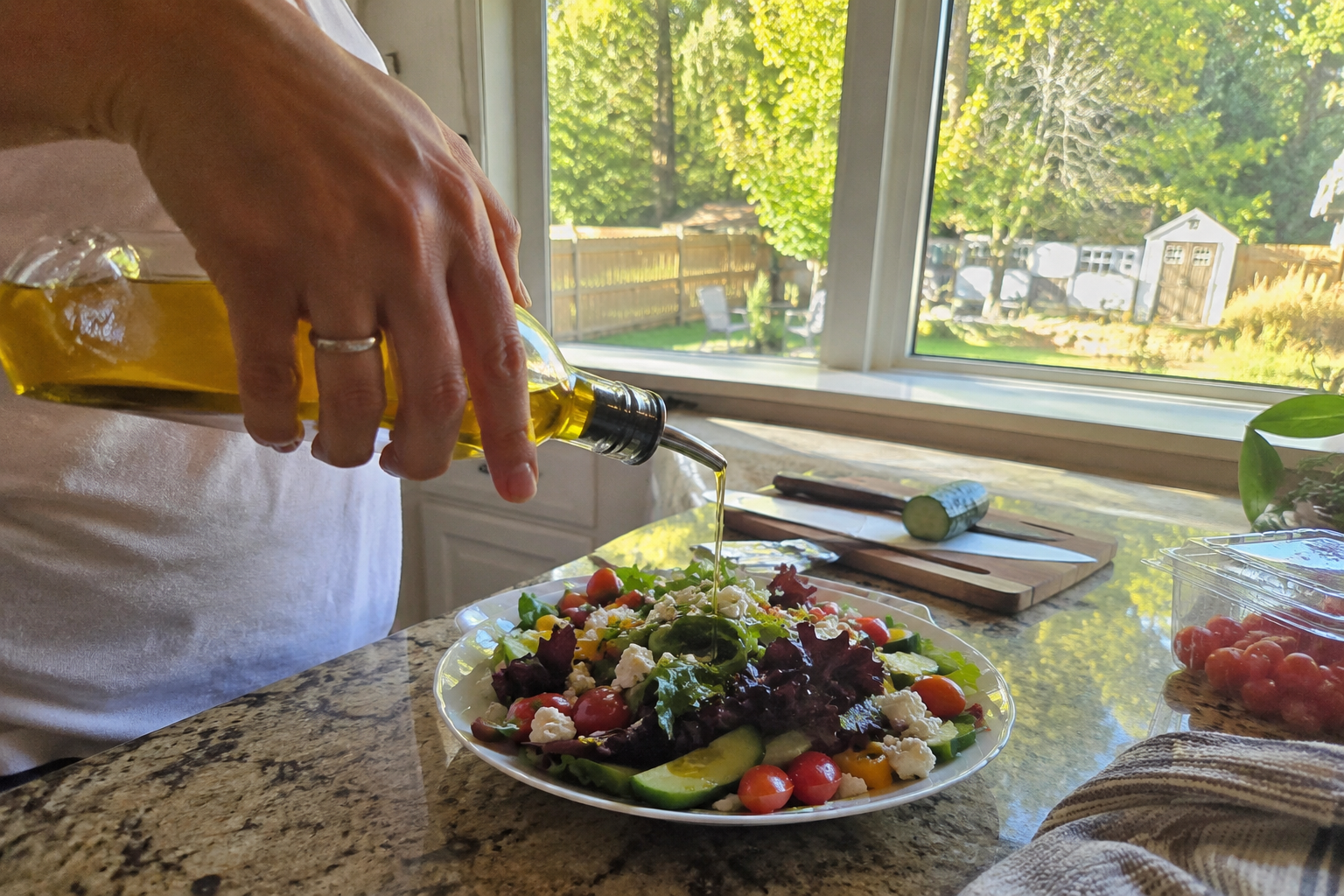
Plants I actually enjoy got the biggest plate real estate. Roasted potatoes, onions and peppers, big salads with real dressing, beans in everything. Notice that word enjoy, because heart-smart eating I hated would have lasted a month, and I have written a whole post about why misery ruins diets.
And every label got read. This one deserves its own section.
What Did Reading Labels Actually Teach Me?
That the front of the package is marketing and the back is testimony. The ingredient list and sodium line tell the truth about what the marketing dressed up.
I found sodium hiding in bread, in sauces, in things labeled healthy. I found sugar in the top three ingredients of foods sold as breakfast. And I found oils I did not expect in bottles whose labels heavily advertised a different, better oil. Once you see how often the ingredient list contradicts the front label, you stop shopping by the front label forever. Thirty extra seconds per product, one time, and then you just know what deserves your cart.
My rule from the grocery list post applies double for heart-smart shopping: food that looks like what it started as needs no defense. It is the boxes that need interrogating.
Research Box: What the Research Says
Dietary pattern research, including large long-term studies of Mediterranean-style and DASH-style eating, consistently associates whole-food, plant-heavy, fish-inclusive patterns with better cardiovascular outcomes, and higher sodium intake with higher blood pressure at the population level (see the current research on PubMed). The honest limitation: nutrition research relies heavily on self-reported eating, and individual needs vary, which is why your doctor outranks any blog, including mine.

Frequently Asked Questions
Do I have to give up red meat for heart-smart eating?
I did not. I eat steak regularly, in reasonable portions, inside an overall pattern that is heavy on plants and fish. Pattern beats any single food, in the research and in my experience.
Is sodium really that big a deal?
At the population level the research says yes, and most of it comes from packaged and restaurant food rather than the salt shaker. Cooking at home moved my sodium more than any other single change.
What is the easiest first step?
Pick your three most frequent packaged foods and read their labels tonight. Whatever you learn will pick the second step for you.
Did you cut out eggs?
No. I eat them daily. Current research is far less worried about dietary cholesterol from eggs than older guidance was, but this is exactly the kind of question to ask your doctor about your numbers.
Final Thoughts
My wake-up call did not hand me a diet. It handed me a reason to stop outsourcing my food decisions to packaging and drive-through menus. Cook at home, read the labels, schedule the fish, and keep the plants coming. Two years in, this is just how I eat now, and it never once felt like a sentence.
Got something like this going on too? Shoot me a message, I’d love to hear it.
These statements have not been evaluated by the FDA. This product is not intended to diagnose, treat, cure, or prevent any disease.
